Home Author
Author

Thomas Green

Advertisement

Small holes, dents, and cracks in plasterboard walls are inevitable in any home, whether caused by a doorknob, a moved piece of furniture, or the simple settling of the house over time. Engaging a plasterer for minor repairs is rarely necessary; with a few basic tools and the right materials, you can restore the wall to a flawless finish over a weekend. The approach depends on the size and type of damage, so start with a thorough inspection. A simple dent or popped nail might only need a skim of filler, while a hole larger than a few centimetres will require a patch. Run your hand over the surrounding wall to feel for any raised edges, and use a utility knife to trim away loose paper and crumbled gypsum until you have a clean, slightly recessed surface. Vacuum the area and wipe with a lightly damp cloth to remove dust, which would otherwise prevent the filler from adhering.

For small dings, nail pops, and hairline cracks, a pre-mixed, lightweight joint compound is your best friend. Scoop a small amount onto a 150-millimetre plasterer’s knife and press it firmly into the recess, smoothing it in one direction to leave the compound slightly proud of the surface. The filling will shrink as it dries, so a second or even third skim is often necessary to achieve a perfectly flat plane. Allow each layer to dry completely – typically a few hours in a heated interior, more in damp weather – before sanding with a 120-grit sanding sponge. Use a handheld work light held at a shallow angle to the wall; shadows instantly reveal imperfections invisible in perpendicular light. Patience at this stage saves the frustration of seeing a crater show through fresh paint.

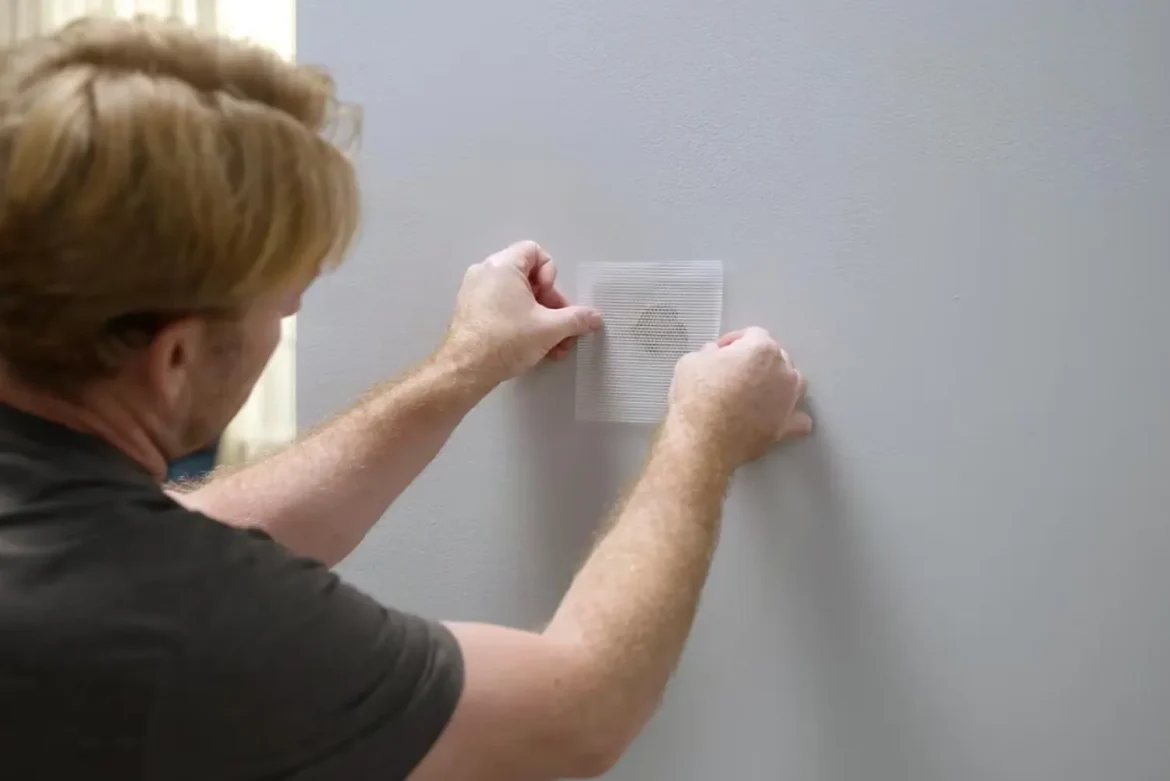
Medium-sized holes, up to about 50 millimetres in diameter, call for a mesh patch or a self-adhesive fibreglass tape. After cleaning the hole, peel and stick the patch over it, then apply joint compound in thin, feathering coats that extend at least 100 millimetres beyond the patch on all sides. Feathering means gradually thinning the compound as you move away from the centre, blending the repair seamlessly into the surrounding wall. Use a wide 250-millimetre trowel or knife for the final coat, holding it at a shallow angle to avoid digging into the compound. Between coats, resist the temptation to overwork the surface; minor ridges will sand flat, but persistent trowel marks become permanent. Let the final coat dry overnight, then sand with a fine 180-grit paper wrapped around a sanding block to maintain a flat plane.

Pages: 1 2

Advertisement

Floating shelves vanish visually, drawing the eye straight to the objects they display, yet they pack serious utility in a home where floor space is at a premium. Unlike traditional brackets, floating shelves use concealed internal rods or a cleat system to anchor securely to the wall, creating the illusion that the shelf hovers unsupported. This makes them ideal for displaying ceramics, books, or small potted succulents in hallways, above desks, or in awkward alcoves that otherwise gather dust. The project requires careful planning and accurate drilling, but a confident DIYer can install a set of three shelves in a weekend. Begin by deciding on the configuration: measure the wall space, consider the shelf depth relative to the items you will place, and use masking tape to map out the proposed positions on the wall. Stand back and assess the layout from different angles, adjusting until the spacing feels balanced both horizontally and vertically.

Material choice influences both aesthetics and load-bearing capacity. Prefabricated floating shelf kits from hardware stores often come with a metal bracket that bolts to the wall and a hollow shelf that slides over it. These are convenient and generally support up to 15 kilograms per shelf if fixed into studs. For a more custom look, solid timber slabs – Victorian ash, blackbutt, or reclaimed messmate – can be drilled to accept heavy-duty floating shelf rods. These rods, essentially steel pins up to 12 millimetres in diameter, are anchored into the wall studs and project outward into blind holes in the shelf, requiring precise drilling. Whichever system you choose, locating wall studs with an electronic stud finder is non-negotiable; mounting into plasterboard alone with toggle anchors might hold a few photos but risks catastrophic failure under the weight of books or heavy ceramics.

Marking and drilling are the most anxiety-inducing steps, but a methodical approach eliminates errors. Hold a piece of shelf material against the wall in the marked position and use a spirit level to draw a horizontal line that defines the top edge. For bracket systems, the manufacturer’s template is invaluable; tape it to the wall, align it with your reference line, and punch the screw points with a nail to guide the drill bit. Drill pilot holes with a timber bit slightly smaller than the screw shank if going into studs, or use a masonry bit with wall plugs if you must anchor into brick or concrete. When drilling into tiles, apply a strip of masking tape to prevent the bit from skating, and use a diamond-tipped tile bit without hammer action until you clear the tile layer. Insert the brackets or rods, checking for level at every step, and tighten all fixings firmly but without overdriving and stripping the stud.

Pages: 1 2

Advertisement

Macrame, the art of knotting cord into decorative patterns, has surged back into Australian homes as a way to display trailing plants, save precious shelf space, and add a warm, textural element to interiors. A simple plant hanger is the perfect beginner project because it teaches the few fundamental knots that form the basis of countless designs. To start, you will need approximately 30 metres of 4mm cotton macrame cord, a 50mm wooden or brass ring, a pair of sharp scissors, and a measuring tape. Cotton cord is ideal: it knots reliably, has a soft matte finish, and feels gentle on your hands through the hours of work. Choose a natural cream hue for an earthy look, or a dyed cord in mustard, ochre, or dusty blue to match your interior palette. Working on a flat surface or hanging the ring from a hook at a comfortable height will save your shoulders and keep the tension consistent.

Begin by cutting eight lengths of cord, each about 4 metres long – generous excess is better than running short. Fold each length in half and attach it to the wooden ring using a lark’s head knot: fold the midpoint behind the ring, pull the ends through the loop, and tighten. This will give you 16 working strands hanging down from the ring. Group them into four sections of four strands each. The square knot, the workhorse of macrame, is formed by taking the left outer strand, crossing it over the two middle filler cords and under the right outer strand, then taking the right outer strand under the fillers and up through the left loop. Tighten the knot, then repeat the process starting from the right to complete one full square knot. Practise a string of square knots until your hands find a rhythm; the tension should be firm but not so tight that the cord buckles or distorts.

The hanger’s body is built with a series of alternating square knots that create a net-like cradle for the pot. From the ring, leave a 20-centimetre space of untied cord to form a graceful hanging loop, then tie three square knots down the first group, five down the second, and so on, keeping the counts consistent. After the first set, skip the first two strands of the next group, take the next four strands, and tie a square knot roughly 10 centimetres below the previous row. This staggered spacing produces the classic open diamond pattern. Continue this alternating pattern around the circumference for at least three or four rows, periodically holding the work up against a pot of your chosen size to check the fit. The cord will stretch slightly over time, so aim for a snug rather than baggy cradle.

Pages: 1 2

Advertisement

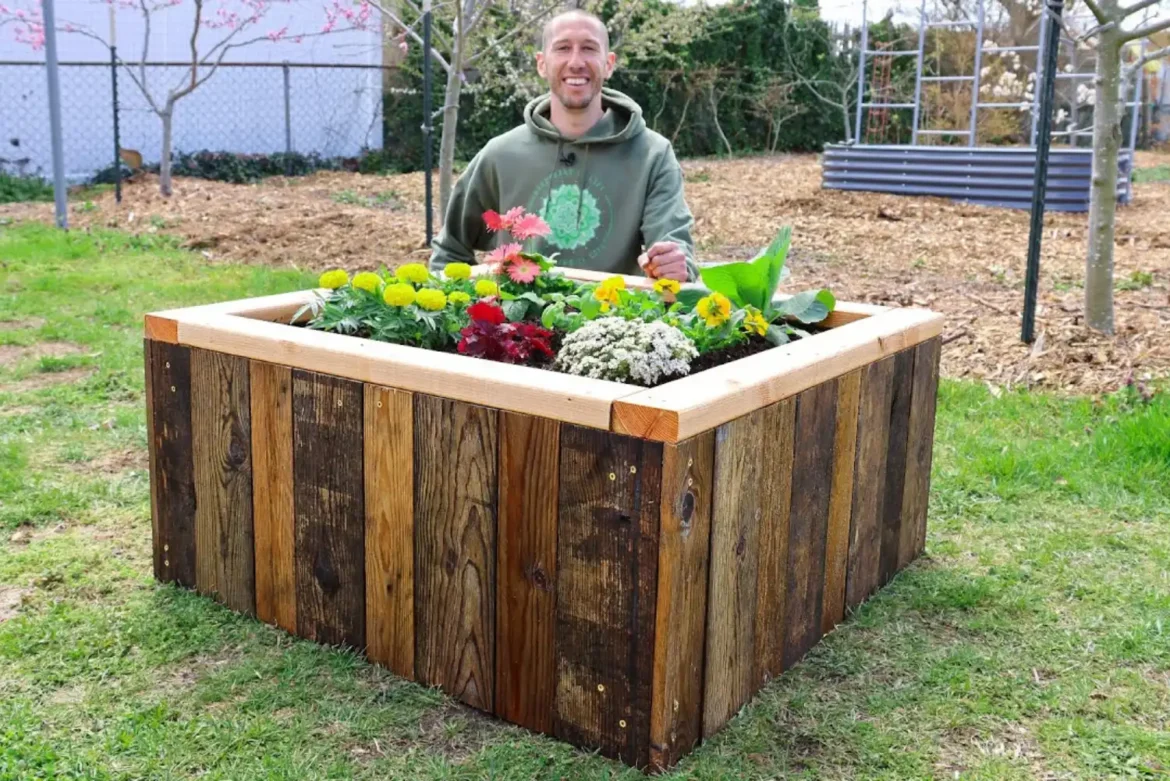
A raised garden bed lifts soil aboveground, easing strain on the back, improving drainage, and marking out a defined space that can transform even a patchy rental lawn into a productive veggie patch. Building one from recycled timber is both economical and aligned with Australia’s growing enthusiasm for resourceful, sustainable gardening. Begin by sourcing suitable wood; demolition yards, online marketplaces, and even kerbside finds can yield solid hardwood sleepers, old fence palings, or framing offcuts. Avoid timber treated with CCA (copper chrome arsenate) for beds that will grow edibles, as arsenic residues can leach into soil over time. Instead, look for untreated hardwoods like redgum or ironbark, which naturally resist rot, or use ACQ-treated pine, a safer modern treatment. Whatever you choose, plan for a bed no wider than 1.2 metres so you can reach the centre from both sides without stepping on the soil, and aim for a height of at least 30 centimetres for vegetables, deeper for root crops.

Construction begins with cutting the timber squarely to length using a circular saw or, for a quieter afternoon, a sharp handsaw with a mitre box. For a sturdy rectangular bed, you will need four corner posts – chunks of 75x75mm hardwood about 50 centimetres long – and horizontal boards to span the sides. A simple stacked design uses two or three rails per side, screwed directly into the corner posts. Predrill all screw holes with a countersink bit to prevent the timber from splitting, especially when working with dense, seasoned hardwood. External-grade batten screws, 75 to 100 millimetres long, hold everything together tightly. Assemble the frame upside down on a flat surface like a lawn or driveway, squaring the corners with a builder’s square and adjusting until both diagonal measurements match exactly. This ensures the bed will sit true when flipped over.

Site preparation is as important as the carpentry. Clear the intended patch of grass and weeds, then level the ground roughly using a shovel and a long spirit level. Worms and soil organisms will gradually move up into the raised bed, so there is no need to lay a solid weed mat that blocks this exchange. Instead, place a layer of unprinted cardboard or thick newspaper directly over the cleared soil to suppress grass and weeds. The cardboard will decompose within months, enriching the soil structure. Position the timber frame onto this base and tap the corner posts a few centimetres into the ground with a mallet; because it’s freestanding, the bed’s own weight and the filled soil will anchor it securely. For a steep site, consider terracing or digging the high side in slightly so the top edge remains level.

Pages: 1 2

Advertisement

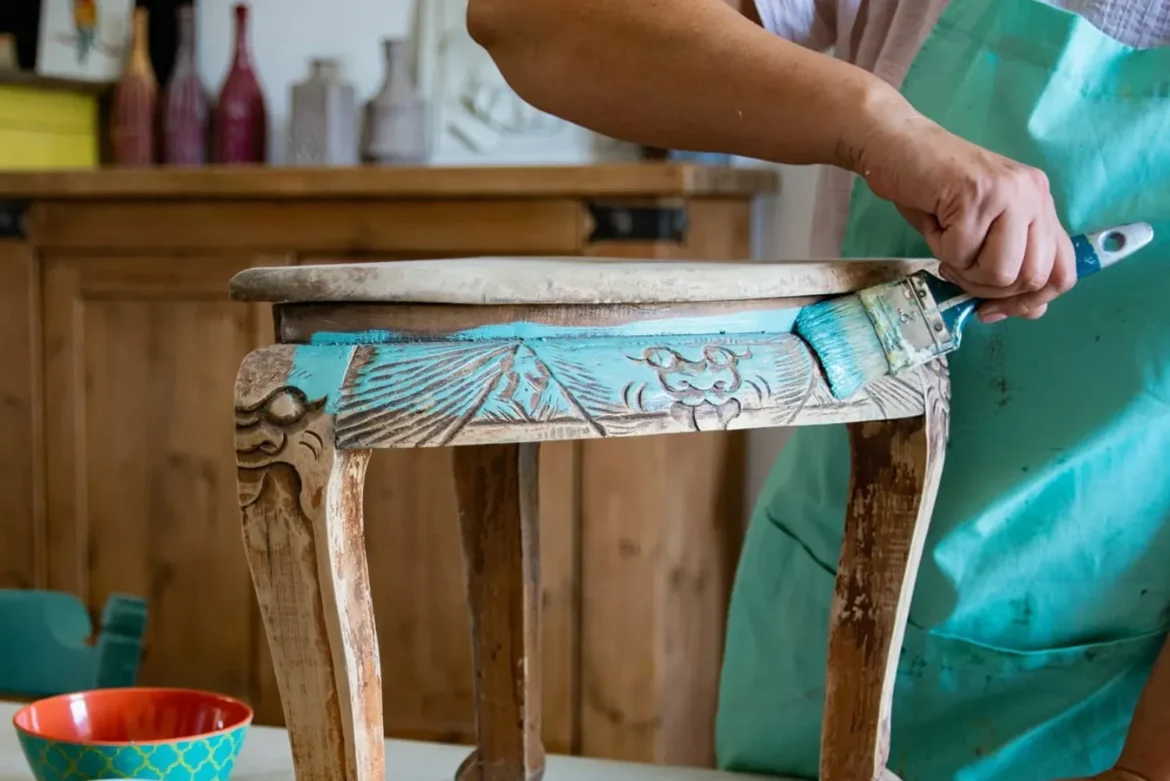
Breathing new life into a tired piece of furniture with paint is one of the most satisfying and budget-friendly DIY projects an Australian household can undertake. Whether it is a solid timber dresser from a garage sale or a dated laminate bedside table, surface preparation is the foundation that determines whether the finish will last years or peel within weeks. Start by removing hardware such as knobs and hinges, then clean the piece thoroughly with sugar soap to dissolve grease, wax, and years of accumulated grime. If the surface is already painted and appears sound, a light scuff with 180-grit sandpaper creates a mechanical key for the new paint. For glossy varnished timber, more thorough sanding is needed to knock back the shine, but you don’t need to strip it to bare wood unless the existing finish is failing. Wipe away all dust with a tack cloth, because even a speck of grit will be magnified under fresh paint. Spending an unhurried afternoon on these preparation steps transforms the final result from amateur to professional.

Primer selection can make or break the project on tricky surfaces. Laminate and melamine, common in flat-pack furniture, reject regular paint and demand a high-adhesion primer such as Zinsser B-I-N or a dedicated laminate undercoat. Apply it in thin, even coats with a short-nap mini roller for a smooth finish, and allow the full curing time specified on the tin – often 24 hours – before sanding lightly and moving to colour. For raw timber, a stain-blocking primer prevents tannins from bleeding through pale topcoats, which is especially important when painting pine or oak. Tinting the primer toward your final colour can reduce the number of finish coats required. When working outdoors, choose a day with moderate humidity and temperatures between 15 and 25 degrees, as extreme heat can cause the paint to dry too fast and compromise adhesion.

Water-based enamel paints have become the go-to choice for furniture because they offer low odour, easy water clean-up, and impressive durability once cured. Brands like Taubmans Water Based Enamel or Dulux Aquanamel provide a hard, scrub-resistant shell that stands up to daily use on tabletops and chair legs. Apply with a combination of a high-quality synthetic brush for edges and a foam or microfibre roller for flat surfaces, laying the paint on in thin coats rather than glooping it. Two or three thin coats, lightly sanded with 320-grit between each, produce a finish smoother and stronger than a single thick coat. Patience here is vital; recoating too early can pull up the underlying layer and create a wrinkled mess. In cooler Australian climates, allow each coat at least four hours of drying time, extending to overnight in damp conditions.

Pages: 1 2

Advertisement

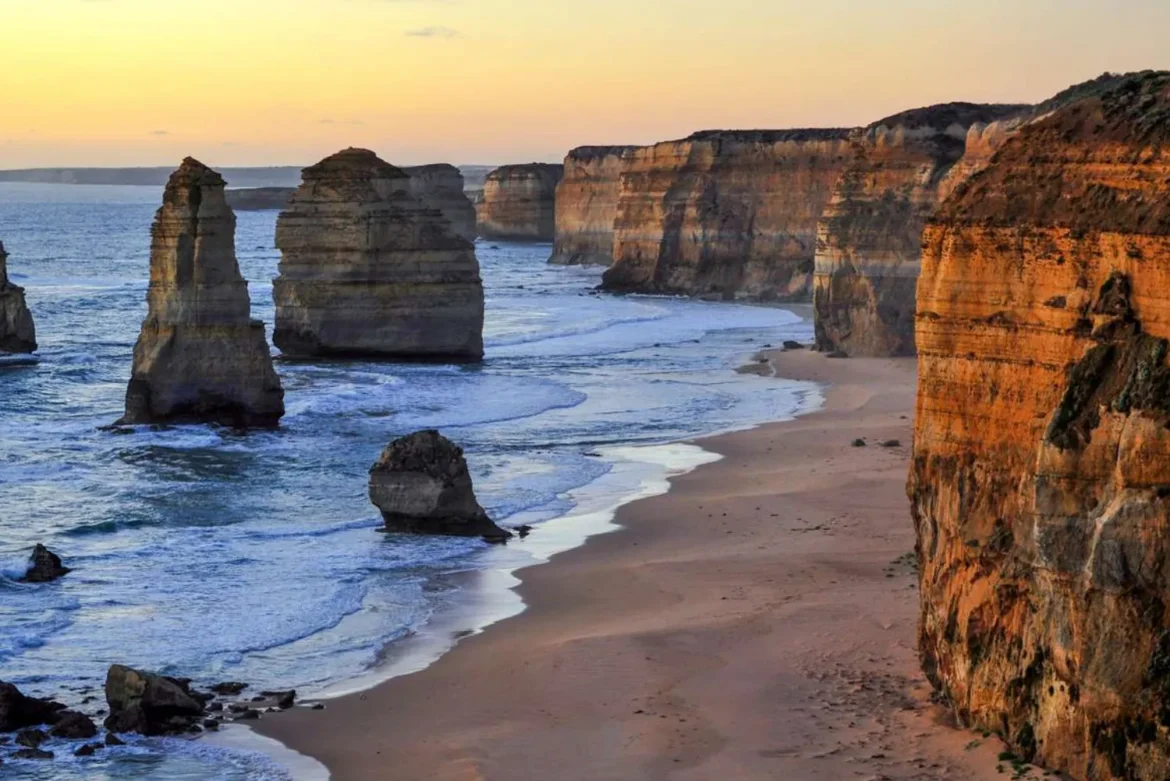
The Great Ocean Road unspools for 243 kilometres along Victoria’s southern coast, and while the Twelve Apostles draw the crowds, the spaces between the postcard views hold a treasury of quieter wonders. Begin the journey at Torquay, not merely to snap a photo at the iconic surf arch but to wander the rock pools at Point Addis. At low tide, the sculpted sandstone platforms there teem with ochre sea stars, turban snails, and the occasional octopus tucked into a crevice. The adjacent Ironbark Basin walk descends through a canopy of messmate and manna gums to a secluded beach where the only prints in the sand might be those of a swamp wallaby. Carry a pair of reef shoes, a windbreaker, and a sense of unhurried curiosity, because the coastline’s real gifts reveal themselves when you step away from the designated lookout car parks.

Westward, the town of Lorne is a popular pit stop, but the true gem lies just inland in the Great Otway National Park. Instead of joining the convoy to Erskine Falls, take the lesser-known track to Phantom Falls, accessed via a gravel road that winds through towering mountain ash forests. The walk is a gentle three-kilometre circuit where lyrebirds scratch in the undergrowth and, if you stand still, might treat you to a burst of mimicry – car alarms, other birdcalls, and even chainsaws woven into their repertoire. The fall itself is a delicate veil cascading into a mossy grotto, often misty even in summer, and you are likely to have the space entirely to yourself. Pack a thermos and a sandwich, and you can sit on a log absorbing the cool, eucalypt-scented air before the final push to Apollo Bay.

Apollo Bay functions as a base, but do not miss the chance to explore Mait’s Rest, an 800-metre rainforest boardwalk tucked just off the main road in the Otways. The walk leads beneath a canopy of ancient myrtle beech, sassafras, and tree ferns so dense that the light filters down in emerald shafts. Interpretive plaques explain how these cool temperate rainforests once covered Gondwana, and on a quiet weekday morning the only sounds are the drip of water from epiphytes and the piping of a pink robin. A short drive further, the Cape Otway Lightstation provides panoramic views, but the true hidden gem here is the road leading to it, often lined with koalas dozing in the crooks of manna gums. Pull over safely, step out, and look up; spotting a dozen koalas in half an hour is not uncommon, and the experience of watching them from a respectful distance in the wild is infinitely richer than any captive encounter.

Pages: 1 2

Advertisement

A smooth overseas trip begins long before you zip the suitcase, rooted in a packing philosophy that values versatility and lightness over the fantasy of every possible outfit. Airlines across the Pacific and Asia increasingly enforce strict carry-on weight limits, and lugging a heavy wheeled bag over cobblestones and up steep European staircases burns energy far better spent on exploration. Start by laying out everything you think you need, then halve the clothing stack and double the accessories like scarves or sarongs that serve multiple purposes. A neutral colour palette – navy, charcoal, olive, cream – allows almost every top to match every bottom, creating dozens of outfits from a dozen pieces. Merino wool T-shirts and socks can be worn multiple times without odour, drying quickly after a sink wash. The rule of three works beautifully: one to wear, one to wash, one drying, and you can travel indefinitely with a small backpack.

Documents and digital readiness are the most crucial layer. Scan your passport, visa grant notice, travel insurance policy, and vaccination certificate, storing encrypted copies in a cloud folder and on a USB drive separate from your phone. Email yourself the files as well. Carry a physical photocopy of your passport photo page, kept away from the original document, and consider a slim money belt or neck pouch that sits under clothing, used only for the bulk of cash and the backup card. Inform your bank of travel dates to avoid a card freeze, and load a couple of international fee-free debit cards – ING, Up, or Wise – onto your phone’s digital wallet. Upon arrival, a local SIM or eSIM service like Airalo downloaded at home provides instant data without hunting for a shop, letting you use maps and translation apps immediately.

The carry-on bag deserves meticulous attention because it contains both your in-flight comfort and your survival kit if checked luggage goes astray. Your valuables, medications, and a full change of clothes live here. A lightweight pashmina or a large cotton scarf performs as a blanket, a pillow roll, a modesty screen for breastfeeding, or a picnic rug. Noise-cancelling headphones or moulded earplugs, an eye mask, and a small squeeze tube of lavender hand cream can transform even a middle-seat economy marathon into a bearable experience. Pack a refillable water bottle – empty through security, filled at a bubbler – and a few high-protein snacks like nuts and muesli bars to avoid both dehydration and the hanger that comes with delayed meal services. A universal power adapter with multiple USB ports charges everything overnight from a single wall outlet.

Pages: 1 2

Advertisement

Australia’s Indigenous cultures represent the world’s oldest continuous living traditions, and there is no more powerful way to encounter their depth than by travelling to the Northern Territory with an open heart and a willingness to listen. Aboriginal guides and communities increasingly welcome visitors to hear stories that have been passed down through hundreds of generations, offering a connection to the land that is far more than scenic. In the Red Centre, the walk around the base of Uluru with an Anangu guide transforms the monolith from a geological wonder into a cultural text. Each water stain, cave, and rock art panel carries meaning – ancestral beings, hunting practices, and law. Walking the track at dawn, when the rock deepens from ochre to rust and the spinifex pigeons call, you gain a glimpse of a living relationship between people and Country that no photograph can capture. Bookings for the free ranger-guided Mala walk are essential, and visitors are urged to respect the Anangu request not to climb, understanding that this is not a rule imposed but a deep spiritual concern for guest safety on sacred ground.

Kakadu National Park, a three-hour drive east of Darwin, is a World Heritage site listed for both its natural and cultural values. The Bininj/Mungguy people have shaped this landscape for more than 65,000 years, and their rock art galleries at Ubirr and Nourlangie are eloquent libraries chronicling creation ancestors, contact with Macassan traders, and the rhythms of the six seasons they recognise. A guided tour with a local Indigenous ranger adds layers that signs alone cannot convey: you learn which plants signal the arrival of file snakes, how to read the colour of the wetlands to predict goose egg harvests, and the kinship rules that govern who can tell certain stories. In the dry season, a cruise on Yellow Water Billabong reveals a horizon filled with magpie geese, whistling kites, and the sudden explosion of a crocodile launching from a bank. Standing on the lookout at Ubirr as the sun sets over the floodplain, you feel the immensity of time and the continuity of a culture that adapted to rising sea levels and shifting climates long before modern borders existed.

For those journeying toward the Top End’s Tiwi Islands, a short ferry from Darwin, the experience is an immersion into a distinct artistic and cultural community. The Tiwi people hold a vibrant tradition of wood carving, textiles, and ochre painting on canvas and bark, with designs drawn from body painting for Pukumani burial ceremonies. Visitors can join a day tour that includes a smoking ceremony to welcome you to Country, a weaving demonstration, and the chance to purchase art directly from the community centre. The pace is unhurried; you share billy tea and damper, hear the stories of the ancestor Purukuparli, and may be invited to join a dance. The rhythm of island life, where the tide dictates movement and the community’s church and art centre sit side by side, offers a gentle lesson in cultural synthesis. Remember to obtain a permit before visiting, as the Tiwi Land Council manages access to protect the islands.

Pages: 1 2

Advertisement

Sydney’s natural setting is a gift, but the urge to escape the city’s hum without draining your savings is universal. Fortunately, a tight budget does not mean sacrificing beauty or relaxation; it simply requires a shift toward off-peak travel, self-catering, and destinations where the main attraction is nature itself. The Blue Mountains, less than two hours west of the CBD by train, offers a classic escape where the crisp mountain air and endless bushwalking trails cost nothing once you arrive. Stay in a Katoomba or Leura hostel, a budget guesthouse, or a cabin at a caravan park to keep accommodation low. Spend your days tracing the cliff-edge paths from Echo Point to the Three Sisters, descending the Giant Stairway, and following the Federal Pass through a fern-filled valley soaked in the scent of damp eucalypts. Pack a backpack with sandwiches, fruit, and a flask of coffee, and you’ll easily fill a weekend without spending on restaurant meals.

The Southern Highlands, centred on Bowral, Mittagong, and Berrima, delivers a gentler kind of charm with its cool-climate gardens, antique stores, and village bakeries. Off-season, particularly mid-week or outside the tulip-time rush, room rates in boutique motels drop markedly, and several farm stays offer basic but comfortable cabins for a fraction of the cost of a hotel. Bring bicycles if you have them, as the region is threaded with quiet country lanes that wind past grazing cattle and historic dry-stone walls. Many markets and open gardens request a gold-coin donation, making it feasible to potter through a day of discovery without straining the wallet. In the evening, self-cater a meal using produce from a local farm gate – apples, eggs, artisan sourdough – and eat on a veranda watching the mist roll across the paddocks.

For a coastal fix, the Central Coast offers a bevy of beaches and lagoons within a 90-minute train journey. Rather than booking pricey waterfront accommodation, look inland slightly to caravan parks or cabins at places like Bateau Bay or Norah Head that are still within walking distance of the sand. The Bouddi National Park coastal walk from Putty Beach to Maitland Bay is a stunner, featuring a shipwreck, wildflowers, and a secluded beach that feels worlds away from the city. Snorkelling gear can be hired cheaply, and the rock platforms at low tide reveal a busy world of crabs and tiny fish. Pack a picnic and a thermos; watching the sun sink into the water over the Hawkesbury Shelf marine park is as restorative as any spa treatment. Several campgrounds offer powered sites for those travelling with a tent or a van, slashing costs further.

Pages: 1 2

Advertisement

Tasmania’s coastline is a rugged museum of geological drama, where sheer dolerite cliffs plunge into the Southern Ocean and pockets of temperate rainforest open onto deserted coves. Walks here carry an almost mythic reputation, yet beyond the famous multi-day treks lies a constellation of day walks that deliver the same sensory immersion without the heavy pack. One of the finest introductions is the Cape Hauy Track on the Tasman Peninsula, a well-maintained path that leads through coastal heathland dotted with banksias before revealing the monumental columns of the Totem Pole and the Candlestick. The return walk takes about four hours, and the constant murmur of the sea against the cliffs provides a meditative rhythm. Early starts reward you with the sight of sea eagles riding thermals and, in season, the spray of migrating whales. Sturdy shoes, a windproof jacket, and plenty of water are essential, as the Southern Ocean weather can pivot from sunshine to squall in twenty minutes.

Moving north, the Bay of Fires offers a completely different palette – white silica sand, lichen-encrusted granite boulders that glow orange in low light, and water so clear it feels tropical. The Bay of Fires Lodge Walk is a guided four-day experience, but self-drive visitors can stitch together a series of shorter trails along the coastline north of Binalong Bay. An outstanding day option begins at the Gardens, a locality with a small car park, where a track meanders through coastal heath to secluded coves and rock pools. At low tide, these pools become natural aquariums filled with sea anemones, starfish, and darting little fish. Walking here around sunset, when the rocks radiate stored heat and the sky ignites, is an almost spiritual encounter. Pack a picnic, a thermos of tea, and a towel for a bracing swim – the water temperature rarely climbs above 17 degrees, making every dip an invigorating reset.

Bruny Island, a short ferry ride from Kettering, concentrates some of the state’s most accessible coastal scenery. The Fluted Cape walk loops from Adventure Bay, climbing through dry eucalypt forest to dramatic cliff-top lookouts where the ocean surges into deep crevices. The sound echoes like a bass drum, and you can watch white-bellied sea eagles effortlessly navigate the updrafts. On the return leg, a detour to the grassy clifftops allows you to gaze across the d’Entrecasteaux Channel to the distant peaks of the Tasman Peninsula. The entire circuit takes around two to three hours, leaving the afternoon free to sample the island’s celebrated produce – freshly shucked oysters, artisan cheeses, and a glass of cool-climate pinot noir. Bruny’s walking tracks are well signed, yet the island retains a wild, remote feel that underscores the importance of carrying a downloaded map and letting someone know your expected return time.

Pages: 1 2

Advertisement

Newer Posts

Contact information

Vivid Structure Pty Ltd

14 Moascar St, Pascoe Vale South VIC 3044, Australia

+61424506251

info@vivid-structure.com

Disclaimer

The information provided on this website is for general informational and educational purposes only. All content is published in good faith and is intended to offer a broad understanding of various topics. However, no representation or warranty of any kind, express or implied, is made regarding the accuracy, adequacy, validity, reliability, availability, or completeness of any information on this website.

All rights reserved © 2026