
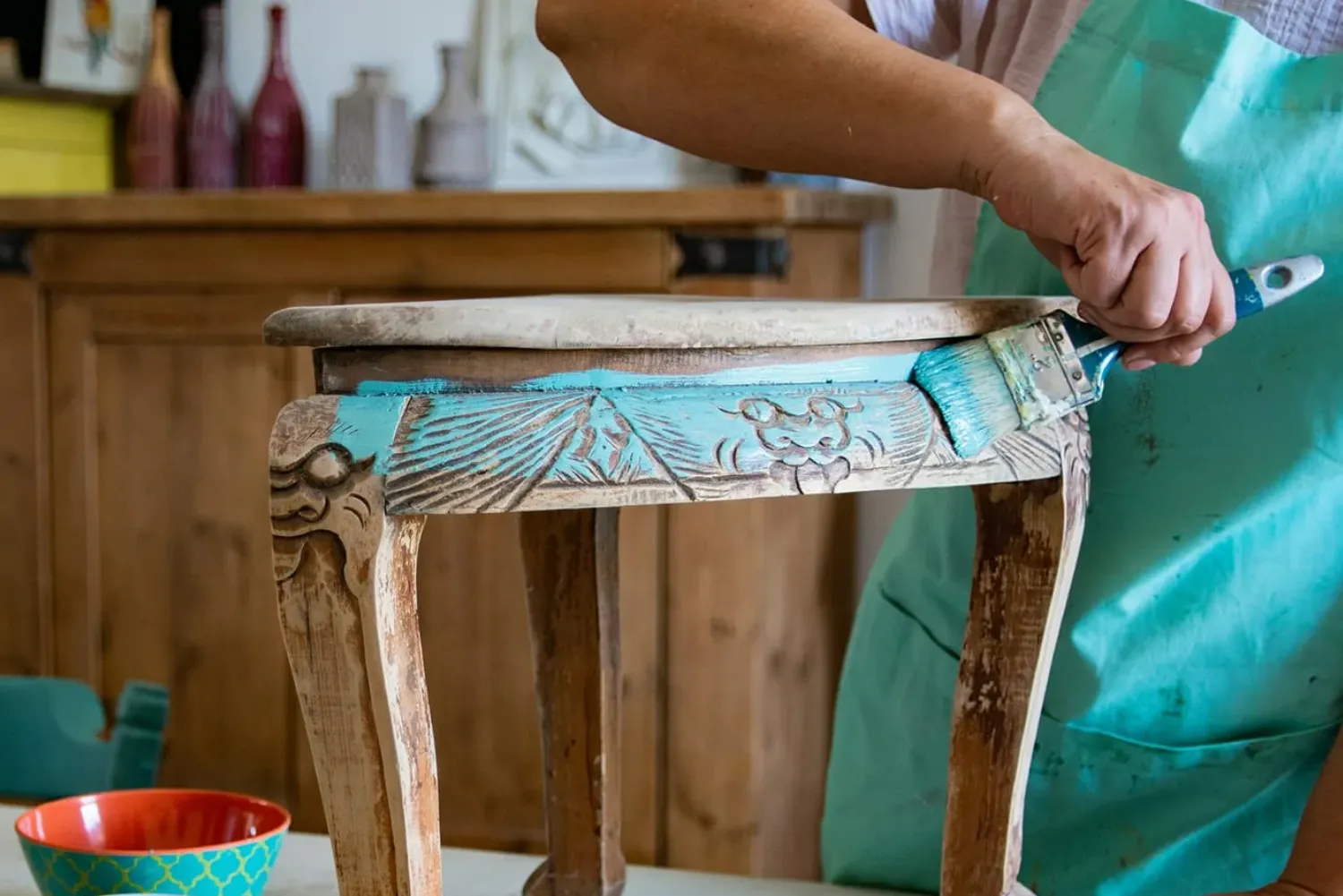
Breathing new life into a tired piece of furniture with paint is one of the most satisfying and budget-friendly DIY projects an Australian household can undertake. Whether it is a solid timber dresser from a garage sale or a dated laminate bedside table, surface preparation is the foundation that determines whether the finish will last years or peel within weeks. Start by removing hardware such as knobs and hinges, then clean the piece thoroughly with sugar soap to dissolve grease, wax, and years of accumulated grime. If the surface is already painted and appears sound, a light scuff with 180-grit sandpaper creates a mechanical key for the new paint. For glossy varnished timber, more thorough sanding is needed to knock back the shine, but you don’t need to strip it to bare wood unless the existing finish is failing. Wipe away all dust with a tack cloth, because even a speck of grit will be magnified under fresh paint. Spending an unhurried afternoon on these preparation steps transforms the final result from amateur to professional.
Advertisement
Primer selection can make or break the project on tricky surfaces. Laminate and melamine, common in flat-pack furniture, reject regular paint and demand a high-adhesion primer such as Zinsser B-I-N or a dedicated laminate undercoat. Apply it in thin, even coats with a short-nap mini roller for a smooth finish, and allow the full curing time specified on the tin – often 24 hours – before sanding lightly and moving to colour. For raw timber, a stain-blocking primer prevents tannins from bleeding through pale topcoats, which is especially important when painting pine or oak. Tinting the primer toward your final colour can reduce the number of finish coats required. When working outdoors, choose a day with moderate humidity and temperatures between 15 and 25 degrees, as extreme heat can cause the paint to dry too fast and compromise adhesion.
Water-based enamel paints have become the go-to choice for furniture because they offer low odour, easy water clean-up, and impressive durability once cured. Brands like Taubmans Water Based Enamel or Dulux Aquanamel provide a hard, scrub-resistant shell that stands up to daily use on tabletops and chair legs. Apply with a combination of a high-quality synthetic brush for edges and a foam or microfibre roller for flat surfaces, laying the paint on in thin coats rather than glooping it. Two or three thin coats, lightly sanded with 320-grit between each, produce a finish smoother and stronger than a single thick coat. Patience here is vital; recoating too early can pull up the underlying layer and create a wrinkled mess. In cooler Australian climates, allow each coat at least four hours of drying time, extending to overnight in damp conditions.