Home Travels
Category:

Travels

Advertisement

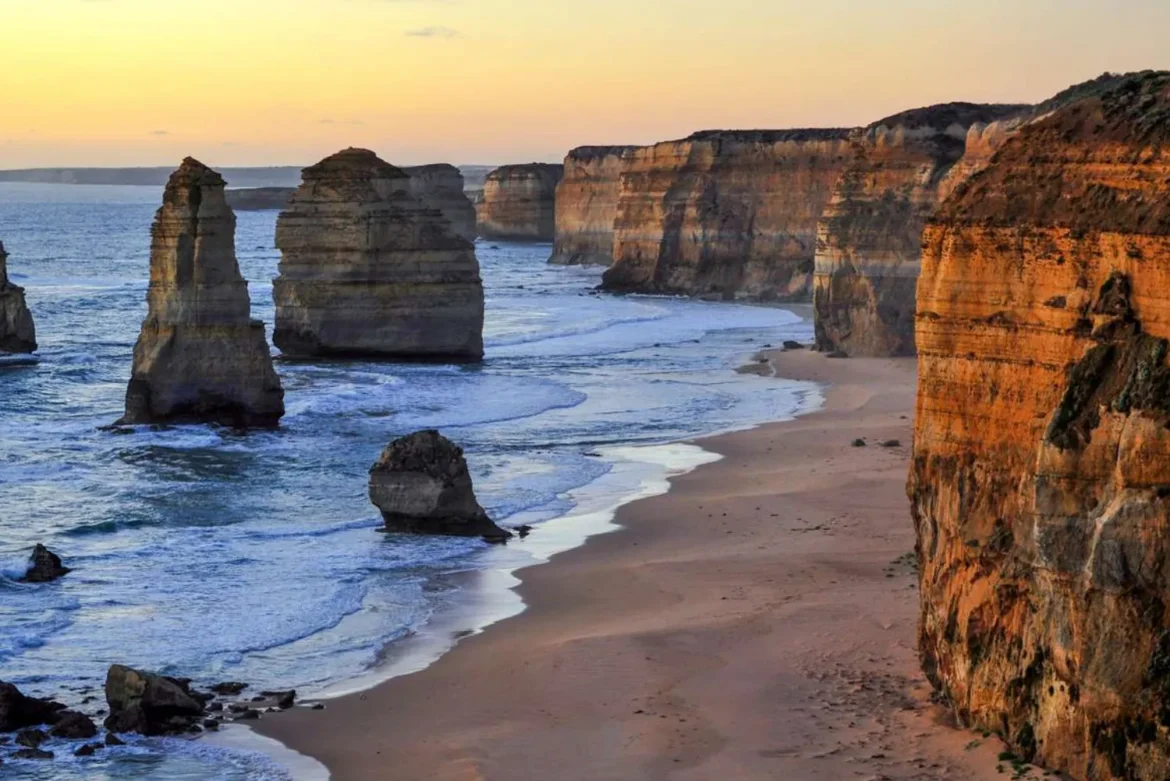
The Great Ocean Road unspools for 243 kilometres along Victoria’s southern coast, and while the Twelve Apostles draw the crowds, the spaces between the postcard views hold a treasury of quieter wonders. Begin the journey at Torquay, not merely to snap a photo at the iconic surf arch but to wander the rock pools at Point Addis. At low tide, the sculpted sandstone platforms there teem with ochre sea stars, turban snails, and the occasional octopus tucked into a crevice. The adjacent Ironbark Basin walk descends through a canopy of messmate and manna gums to a secluded beach where the only prints in the sand might be those of a swamp wallaby. Carry a pair of reef shoes, a windbreaker, and a sense of unhurried curiosity, because the coastline’s real gifts reveal themselves when you step away from the designated lookout car parks.

Westward, the town of Lorne is a popular pit stop, but the true gem lies just inland in the Great Otway National Park. Instead of joining the convoy to Erskine Falls, take the lesser-known track to Phantom Falls, accessed via a gravel road that winds through towering mountain ash forests. The walk is a gentle three-kilometre circuit where lyrebirds scratch in the undergrowth and, if you stand still, might treat you to a burst of mimicry – car alarms, other birdcalls, and even chainsaws woven into their repertoire. The fall itself is a delicate veil cascading into a mossy grotto, often misty even in summer, and you are likely to have the space entirely to yourself. Pack a thermos and a sandwich, and you can sit on a log absorbing the cool, eucalypt-scented air before the final push to Apollo Bay.

Apollo Bay functions as a base, but do not miss the chance to explore Mait’s Rest, an 800-metre rainforest boardwalk tucked just off the main road in the Otways. The walk leads beneath a canopy of ancient myrtle beech, sassafras, and tree ferns so dense that the light filters down in emerald shafts. Interpretive plaques explain how these cool temperate rainforests once covered Gondwana, and on a quiet weekday morning the only sounds are the drip of water from epiphytes and the piping of a pink robin. A short drive further, the Cape Otway Lightstation provides panoramic views, but the true hidden gem here is the road leading to it, often lined with koalas dozing in the crooks of manna gums. Pull over safely, step out, and look up; spotting a dozen koalas in half an hour is not uncommon, and the experience of watching them from a respectful distance in the wild is infinitely richer than any captive encounter.
Pages: 1 2

Advertisement

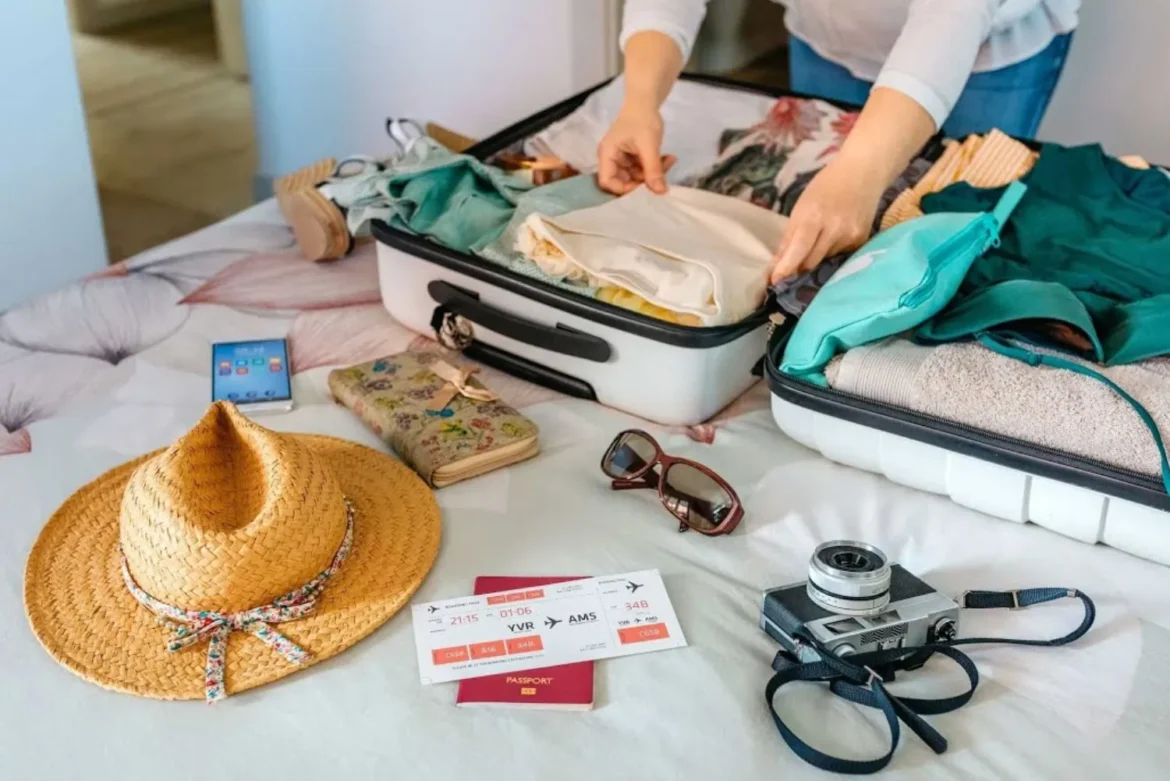
A smooth overseas trip begins long before you zip the suitcase, rooted in a packing philosophy that values versatility and lightness over the fantasy of every possible outfit. Airlines across the Pacific and Asia increasingly enforce strict carry-on weight limits, and lugging a heavy wheeled bag over cobblestones and up steep European staircases burns energy far better spent on exploration. Start by laying out everything you think you need, then halve the clothing stack and double the accessories like scarves or sarongs that serve multiple purposes. A neutral colour palette – navy, charcoal, olive, cream – allows almost every top to match every bottom, creating dozens of outfits from a dozen pieces. Merino wool T-shirts and socks can be worn multiple times without odour, drying quickly after a sink wash. The rule of three works beautifully: one to wear, one to wash, one drying, and you can travel indefinitely with a small backpack.

Documents and digital readiness are the most crucial layer. Scan your passport, visa grant notice, travel insurance policy, and vaccination certificate, storing encrypted copies in a cloud folder and on a USB drive separate from your phone. Email yourself the files as well. Carry a physical photocopy of your passport photo page, kept away from the original document, and consider a slim money belt or neck pouch that sits under clothing, used only for the bulk of cash and the backup card. Inform your bank of travel dates to avoid a card freeze, and load a couple of international fee-free debit cards – ING, Up, or Wise – onto your phone’s digital wallet. Upon arrival, a local SIM or eSIM service like Airalo downloaded at home provides instant data without hunting for a shop, letting you use maps and translation apps immediately.

The carry-on bag deserves meticulous attention because it contains both your in-flight comfort and your survival kit if checked luggage goes astray. Your valuables, medications, and a full change of clothes live here. A lightweight pashmina or a large cotton scarf performs as a blanket, a pillow roll, a modesty screen for breastfeeding, or a picnic rug. Noise-cancelling headphones or moulded earplugs, an eye mask, and a small squeeze tube of lavender hand cream can transform even a middle-seat economy marathon into a bearable experience. Pack a refillable water bottle – empty through security, filled at a bubbler – and a few high-protein snacks like nuts and muesli bars to avoid both dehydration and the hanger that comes with delayed meal services. A universal power adapter with multiple USB ports charges everything overnight from a single wall outlet.

Pages: 1 2

Advertisement

Australia’s Indigenous cultures represent the world’s oldest continuous living traditions, and there is no more powerful way to encounter their depth than by travelling to the Northern Territory with an open heart and a willingness to listen. Aboriginal guides and communities increasingly welcome visitors to hear stories that have been passed down through hundreds of generations, offering a connection to the land that is far more than scenic. In the Red Centre, the walk around the base of Uluru with an Anangu guide transforms the monolith from a geological wonder into a cultural text. Each water stain, cave, and rock art panel carries meaning – ancestral beings, hunting practices, and law. Walking the track at dawn, when the rock deepens from ochre to rust and the spinifex pigeons call, you gain a glimpse of a living relationship between people and Country that no photograph can capture. Bookings for the free ranger-guided Mala walk are essential, and visitors are urged to respect the Anangu request not to climb, understanding that this is not a rule imposed but a deep spiritual concern for guest safety on sacred ground.

Kakadu National Park, a three-hour drive east of Darwin, is a World Heritage site listed for both its natural and cultural values. The Bininj/Mungguy people have shaped this landscape for more than 65,000 years, and their rock art galleries at Ubirr and Nourlangie are eloquent libraries chronicling creation ancestors, contact with Macassan traders, and the rhythms of the six seasons they recognise. A guided tour with a local Indigenous ranger adds layers that signs alone cannot convey: you learn which plants signal the arrival of file snakes, how to read the colour of the wetlands to predict goose egg harvests, and the kinship rules that govern who can tell certain stories. In the dry season, a cruise on Yellow Water Billabong reveals a horizon filled with magpie geese, whistling kites, and the sudden explosion of a crocodile launching from a bank. Standing on the lookout at Ubirr as the sun sets over the floodplain, you feel the immensity of time and the continuity of a culture that adapted to rising sea levels and shifting climates long before modern borders existed.

For those journeying toward the Top End’s Tiwi Islands, a short ferry from Darwin, the experience is an immersion into a distinct artistic and cultural community. The Tiwi people hold a vibrant tradition of wood carving, textiles, and ochre painting on canvas and bark, with designs drawn from body painting for Pukumani burial ceremonies. Visitors can join a day tour that includes a smoking ceremony to welcome you to Country, a weaving demonstration, and the chance to purchase art directly from the community centre. The pace is unhurried; you share billy tea and damper, hear the stories of the ancestor Purukuparli, and may be invited to join a dance. The rhythm of island life, where the tide dictates movement and the community’s church and art centre sit side by side, offers a gentle lesson in cultural synthesis. Remember to obtain a permit before visiting, as the Tiwi Land Council manages access to protect the islands.

Pages: 1 2

Advertisement

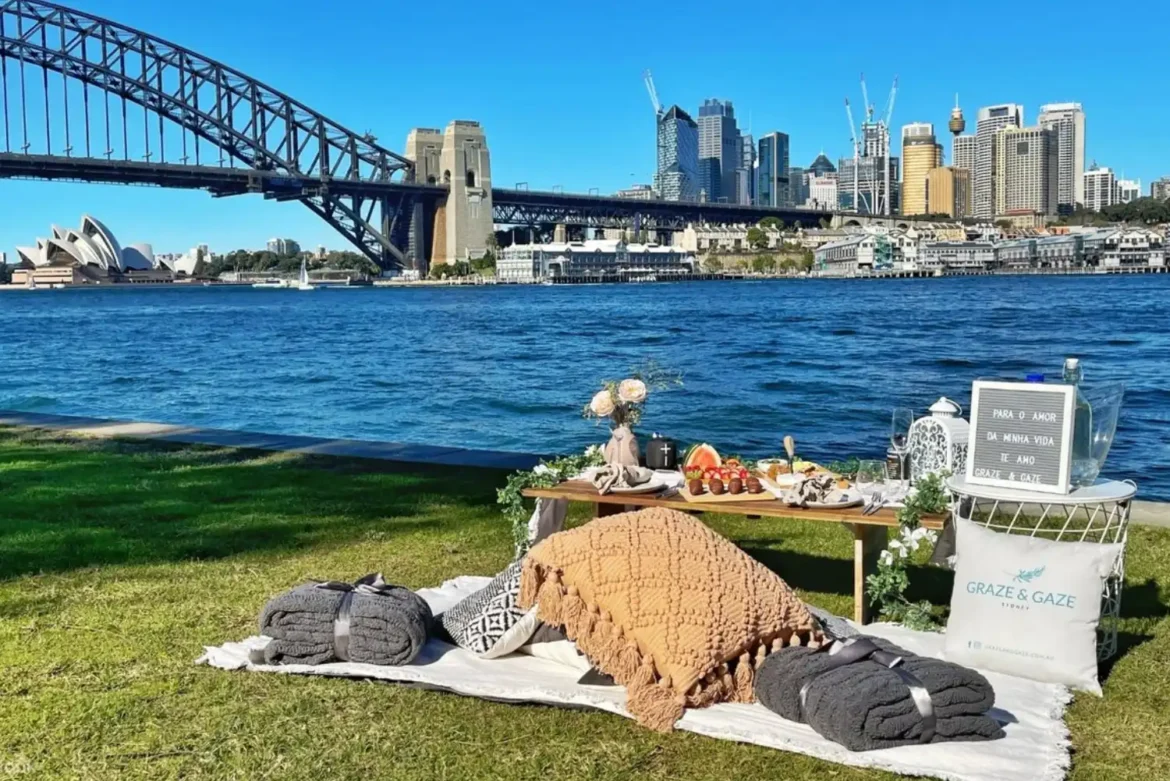
Sydney’s natural setting is a gift, but the urge to escape the city’s hum without draining your savings is universal. Fortunately, a tight budget does not mean sacrificing beauty or relaxation; it simply requires a shift toward off-peak travel, self-catering, and destinations where the main attraction is nature itself. The Blue Mountains, less than two hours west of the CBD by train, offers a classic escape where the crisp mountain air and endless bushwalking trails cost nothing once you arrive. Stay in a Katoomba or Leura hostel, a budget guesthouse, or a cabin at a caravan park to keep accommodation low. Spend your days tracing the cliff-edge paths from Echo Point to the Three Sisters, descending the Giant Stairway, and following the Federal Pass through a fern-filled valley soaked in the scent of damp eucalypts. Pack a backpack with sandwiches, fruit, and a flask of coffee, and you’ll easily fill a weekend without spending on restaurant meals.

The Southern Highlands, centred on Bowral, Mittagong, and Berrima, delivers a gentler kind of charm with its cool-climate gardens, antique stores, and village bakeries. Off-season, particularly mid-week or outside the tulip-time rush, room rates in boutique motels drop markedly, and several farm stays offer basic but comfortable cabins for a fraction of the cost of a hotel. Bring bicycles if you have them, as the region is threaded with quiet country lanes that wind past grazing cattle and historic dry-stone walls. Many markets and open gardens request a gold-coin donation, making it feasible to potter through a day of discovery without straining the wallet. In the evening, self-cater a meal using produce from a local farm gate – apples, eggs, artisan sourdough – and eat on a veranda watching the mist roll across the paddocks.

For a coastal fix, the Central Coast offers a bevy of beaches and lagoons within a 90-minute train journey. Rather than booking pricey waterfront accommodation, look inland slightly to caravan parks or cabins at places like Bateau Bay or Norah Head that are still within walking distance of the sand. The Bouddi National Park coastal walk from Putty Beach to Maitland Bay is a stunner, featuring a shipwreck, wildflowers, and a secluded beach that feels worlds away from the city. Snorkelling gear can be hired cheaply, and the rock platforms at low tide reveal a busy world of crabs and tiny fish. Pack a picnic and a thermos; watching the sun sink into the water over the Hawkesbury Shelf marine park is as restorative as any spa treatment. Several campgrounds offer powered sites for those travelling with a tent or a van, slashing costs further.

Pages: 1 2

Advertisement

Tasmania’s coastline is a rugged museum of geological drama, where sheer dolerite cliffs plunge into the Southern Ocean and pockets of temperate rainforest open onto deserted coves. Walks here carry an almost mythic reputation, yet beyond the famous multi-day treks lies a constellation of day walks that deliver the same sensory immersion without the heavy pack. One of the finest introductions is the Cape Hauy Track on the Tasman Peninsula, a well-maintained path that leads through coastal heathland dotted with banksias before revealing the monumental columns of the Totem Pole and the Candlestick. The return walk takes about four hours, and the constant murmur of the sea against the cliffs provides a meditative rhythm. Early starts reward you with the sight of sea eagles riding thermals and, in season, the spray of migrating whales. Sturdy shoes, a windproof jacket, and plenty of water are essential, as the Southern Ocean weather can pivot from sunshine to squall in twenty minutes.

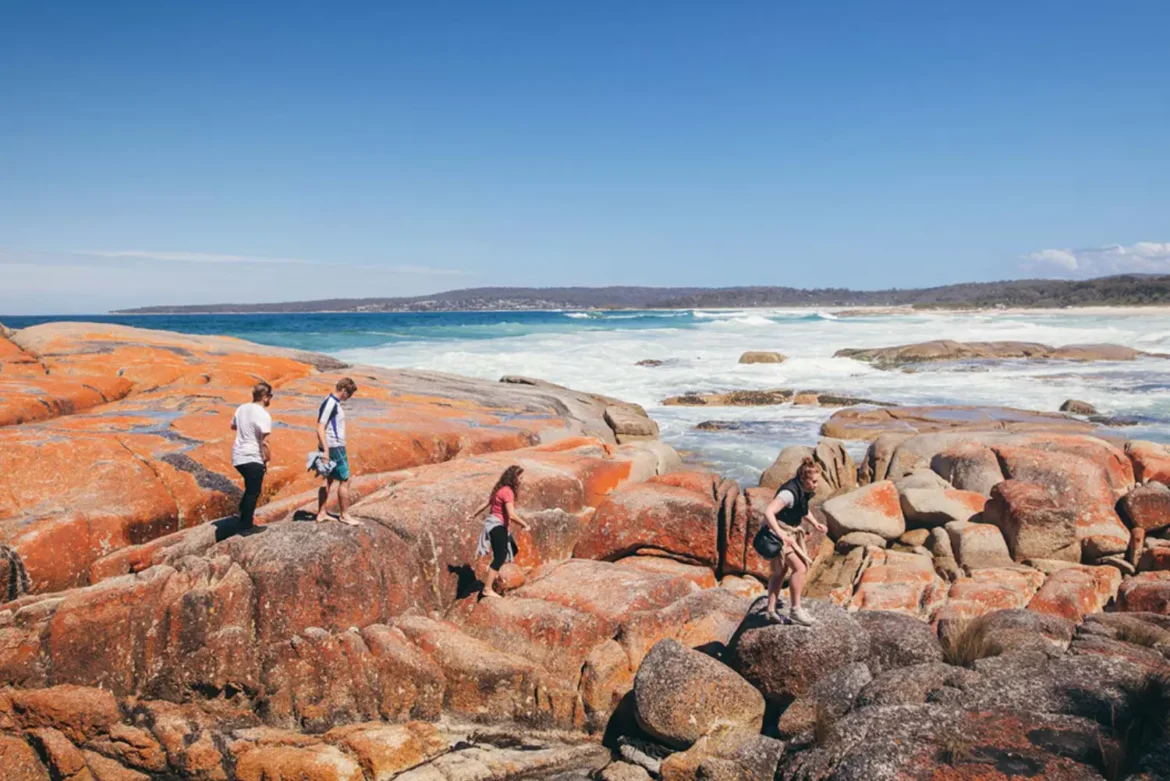
Moving north, the Bay of Fires offers a completely different palette – white silica sand, lichen-encrusted granite boulders that glow orange in low light, and water so clear it feels tropical. The Bay of Fires Lodge Walk is a guided four-day experience, but self-drive visitors can stitch together a series of shorter trails along the coastline north of Binalong Bay. An outstanding day option begins at the Gardens, a locality with a small car park, where a track meanders through coastal heath to secluded coves and rock pools. At low tide, these pools become natural aquariums filled with sea anemones, starfish, and darting little fish. Walking here around sunset, when the rocks radiate stored heat and the sky ignites, is an almost spiritual encounter. Pack a picnic, a thermos of tea, and a towel for a bracing swim – the water temperature rarely climbs above 17 degrees, making every dip an invigorating reset.

Bruny Island, a short ferry ride from Kettering, concentrates some of the state’s most accessible coastal scenery. The Fluted Cape walk loops from Adventure Bay, climbing through dry eucalypt forest to dramatic cliff-top lookouts where the ocean surges into deep crevices. The sound echoes like a bass drum, and you can watch white-bellied sea eagles effortlessly navigate the updrafts. On the return leg, a detour to the grassy clifftops allows you to gaze across the d’Entrecasteaux Channel to the distant peaks of the Tasman Peninsula. The entire circuit takes around two to three hours, leaving the afternoon free to sample the island’s celebrated produce – freshly shucked oysters, artisan cheeses, and a glass of cool-climate pinot noir. Bruny’s walking tracks are well signed, yet the island retains a wild, remote feel that underscores the importance of carrying a downloaded map and letting someone know your expected return time.

Pages: 1 2

Advertisement

Contact information

Vivid Structure Pty Ltd

14 Moascar St, Pascoe Vale South VIC 3044, Australia

+61424506251

info@vivid-structure.com

Disclaimer

The information provided on this website is for general informational and educational purposes only. All content is published in good faith and is intended to offer a broad understanding of various topics. However, no representation or warranty of any kind, express or implied, is made regarding the accuracy, adequacy, validity, reliability, availability, or completeness of any information on this website.

All rights reserved © 2026