
Home Lifestyle
Category:

Lifestyle

Advertisement

Human beings thrive on connection, and a rich social network functions as a vital buffer against life’s inevitable stresses. When we share a laugh, a story, or even a comfortable silence with someone who knows us, our nervous system often downshifts from a state of alert to one of calm. Loneliness, by contrast, is increasingly recognised as a health risk factor that rivals smoking and obesity. It is not simply about being alone; many people live alone contentedly. The damaging form of loneliness springs from a felt absence of meaningful emotional connection – a sense that no one truly understands you or would reliably show up in a crisis. Nurturing social ties, therefore, is not a sentimental luxury but a pillar of mental health, and it deserves deliberate attention amid our hectic, digitally saturated lives.

Quality matters far more than quantity. A handful of deep, reciprocal friendships where you can honestly share fears, joys, and mundanities provides more protection than hundreds of shallow social media contacts. Assess your current connections by asking yourself who you would call at 2am when distressed, and who would answer without hesitation. If that list is thin, you are not alone; many adults find their circles shrink after education ends and careers and families consume time. Rebuilding begins with small, consistent actions: a weekly standing phone call with an old friend, a monthly stroll with a neighbour, or joining a group centred on a shared passion – a book club, a bushwalking group, a community choir. Consistency and shared experience are the soil in which trust grows.

Being a good friend to yourself is a prerequisite for healthy connections. When self-criticism runs rampant, it can distort how you interpret others’ words and actions, leading to withdrawal or conflict. Practise speaking to yourself with the kindness you would offer a struggling mate. This internal shift makes it safer to be vulnerable with others, which in turn deepens intimacy. Vulnerability is not about spilling your entire history at a first coffee; it is the slow, reciprocal exchange of genuine feelings and experiences. Admitting, “I’ve been feeling a bit flat this week,” and listening to the reply without planning your next response, builds a bridge of empathy. Such exchanges release oxytocin, a hormone that promotes bonding and dials down fear.

Pages: 1 2

Advertisement

Building strength at home requires nothing more than your body, a clear floor space, and a commitment to regular practice. Bodyweight exercises are highly effective because they engage multiple muscle groups in functional patterns that mirror everyday movements – bending, pushing, pulling, and twisting. Before you begin, it’s wise to spend five minutes warming up by marching on the spot, rolling your shoulders, and performing a few gentle lunges to increase blood flow and joint mobility. Start with movements that feel accessible, such as a supported squat by holding onto a sturdy chair or doorframe. This allows your body to learn the pattern without strain, and as your confidence grows, you can gradually reduce support and increase depth. The emphasis should always be on controlled, smooth motion rather than speed or numbers.

A minimal home routine can be built around four foundational exercises: squats, push-ups, glute bridges, and plank holds. For squats, stand with feet shoulder-width apart, keep your chest lifted, and lower your hips as if sitting into a chair, ensuring your knees track over your toes without caving in. If a full push-up feels daunting, start with an incline by placing your hands on a kitchen bench or a sturdy table, maintaining a straight line from head to heels. Glute bridges involve lying on your back, knees bent, feet flat, and lifting your hips until your body forms a straight line from shoulders to knees, squeezing the glutes at the top. A forearm plank, held with a neutral neck and engaged core, builds endurance and stability. Perform each movement in two or three sets of eight to twelve repetitions, resting a minute between sets, and tailor the intensity to how your body feels that day.

Progression keeps the body adapting and prevents boredom. Once a basic squat becomes easy, slow down the tempo – take three seconds to lower and one second to rise – or add a pause at the bottom. Squat variations like split squats, where one foot is behind you on a low step, challenge balance and unilateral strength. Push-ups can become narrower to target triceps, and the feet can be elevated on a step to increase load. Incorporate a sturdy backpack filled with books to add resistance to squats or lunges. For lower-body pulling motions, which are harder to replicate without equipment, a simple door-mounted resistance band set available for a modest price opens up rows and pull-aparts that balance the pressing movements, supporting shoulder health. Regardless of equipment, the guiding principle is gradual overload: consistently asking your muscles to do a little more over time while maintaining excellent form.

Pages: 1 2

Advertisement

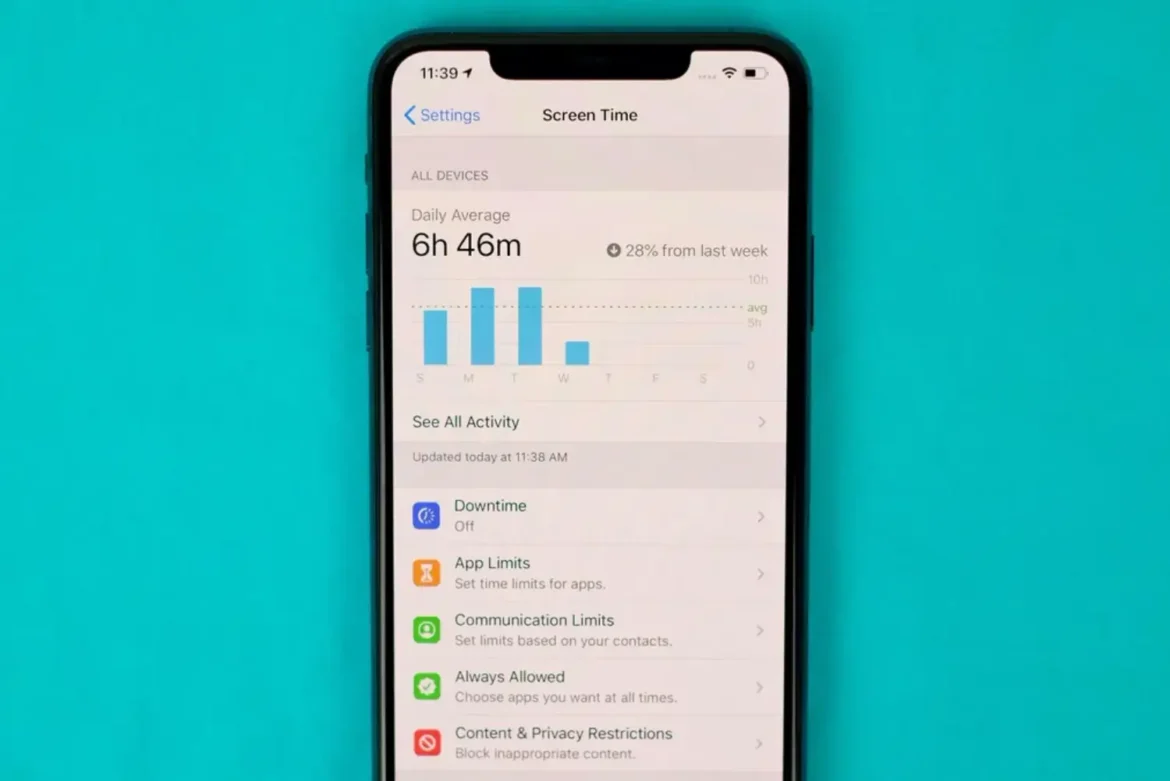
Our devices are designed to capture attention, and the sheer volume of information they serve can fragment concentration and disturb rest in ways we rarely notice until we disconnect. The first step toward a healthier relationship with screens is a self-audit. Most smartphones now include screen-time tracking that reveals exactly how many hours you spend on each app and how often you pick up the device. For a week, simply observe the data without judgement, noting the emotional states that trigger heavy usage – loneliness, boredom, procrastination, or simply habit during television ads. This detached awareness often acts as a gentle shock, because the cumulative hours devoted to short-form videos and endless scrolling frequently surpass our own estimates. Seeing the numbers can motivate change without external pressure.

Establishing clear boundaries around the most damaging periods of screen use pays immediate dividends. The hour before bed is critical, as blue-spectrum light suppresses melatonin production and tricks the brain into alertness even when the body is exhausted. Switch your phone to “do not disturb” or airplane mode by 9pm and charge it in another room, using a dedicated alarm clock if necessary. Replace the pre-sleep scroll with a ritual that signals the day is complete: a warm shower, reading a physical book under soft lamp light, or listening to a calm podcast or music. Within a few nights, many people find they fall asleep more quickly and wake feeling more restored. If you must use a device, enable the built-in night shift or blue light filter, and keep it on a dim setting far from your face.

During working hours, grouping digital tasks into focused blocks can reclaim profound stretches of concentration. Try designating three thirty-minute sessions in the morning for email, messaging, and admin, leaving the remainder of your peak cognitive time for deep work. Close unnecessary browser tabs and turn off non-essential notifications for social media, news, and apps. Each notification is an interruption that can derail your train of thought for up to twenty minutes while your brain recovers. Using website blockers or focus apps like Freedom can provide a hard barrier when willpower alone is wobbly. Reward yourself with a short screen break after a sustained focus period – but make that break a stretch or a gaze out the window rather than another screen.

Pages: 1 2

Advertisement

How you spend the first hour after waking sets a subtle but powerful tone for the entire day, yet many of us lurch into the morning with a jolt of adrenaline triggered by an alarm clock and an immediate dive into notifications. Crafting a morning routine that genuinely supports wellbeing does not require a 5am wake-up or a punishing exercise session. Instead, it starts the evening before with a consistent bedtime and a gentle wind-down that omits screens in the last thirty minutes. When the alarm sounds, try placing your phone or clock across the room, forcing you to stand up to silence it. This physical movement, even if small, helps shake off sleep inertia and reduces the temptation to scroll social media while still horizontal. Immediately drinking a glass of water at room temperature rehydrates the body after a night’s fast and gently kick-starts your metabolism without any need for dramatic concoctions.

Before the day’s demands pour in, claim a pocket of time for stillness. This could be five minutes of quiet sitting with eyes closed, focusing on the sensation of your breath entering and leaving your nostrils. If sitting still feels uncomfortable, a slow, mindful stretch routine or a few sun salutations can connect you to your body while calming the nervous system. The goal is not to empty the mind but to practise observing thoughts without immediately reacting to them. Many Australians report that this short buffer between waking and doing reduces reactivity, helping them respond to emails, traffic, or family chaos with more patience. Consistency matters more than duration; a daily five-minute pause rewires the brain’s stress pathways far more effectively than an occasional hour-long session.

Movement follows stillness, but the type and intensity should suit how you feel and what your body needs. On days when you are tired, a walk around the block in the early light does double duty by exposing your eyes to natural morning sun, which helps regulate your circadian rhythm and improve night-time sleep. On more energetic mornings, a twenty-minute bodyweight circuit, a swim at the local pool, or a cycle along a coastal path can flood your system with endorphins and sharpen focus for hours. The guiding principle is to ask, “What would make me feel strong and clear-headed?” rather than following a rigid program that treats exercise as punishment. This attitude shift from obligation to self-care makes it much easier to sustain throughout the seasons of life.

Pages: 1 2

Advertisement

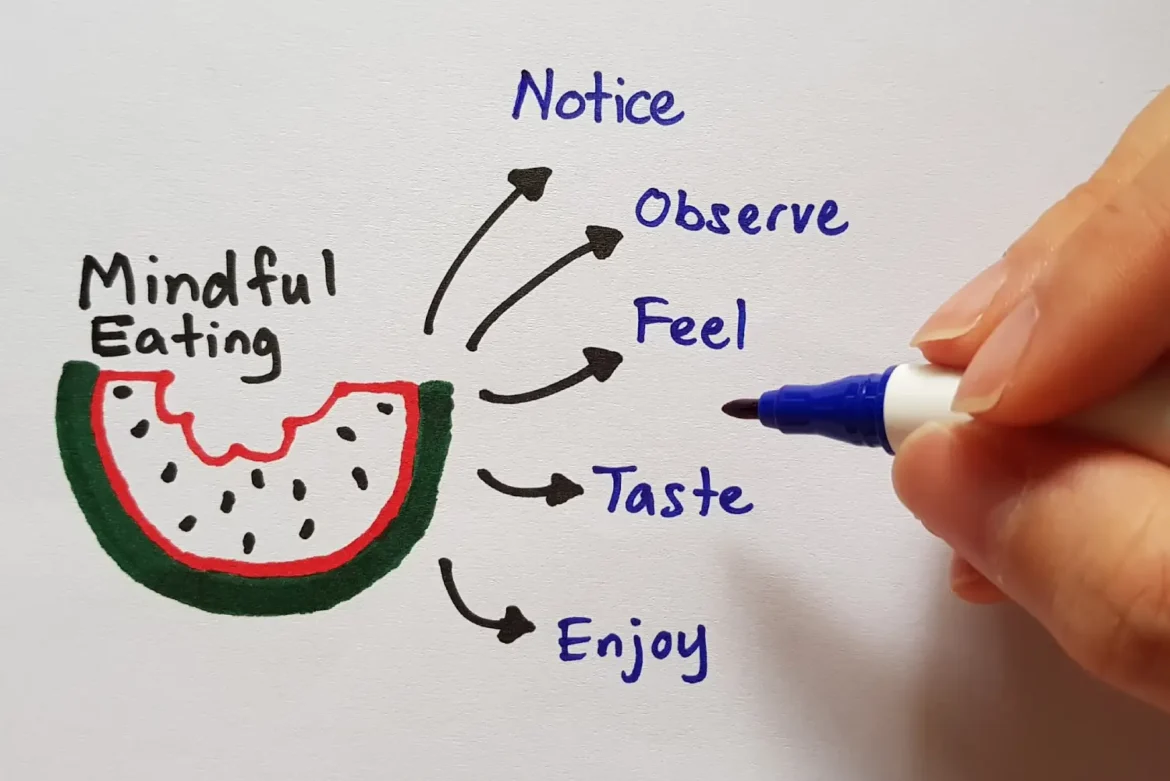
Mindful eating invites us to slow down and become fully present with our meals, moving away from autopilot consumption that so often leads to bloating, guilt, and erratic energy levels. The practice begins well before the first mouthful, with the simple act of noticing hunger signals. Many of us eat because the clock says it is lunchtime, because we are bored, stressed, or simply because food is within reach. Pausing for thirty seconds to place a hand on your belly and ask, “Am I physically hungry right now?” can separate biological need from emotional impulse. This gentle inquiry doesn’t forbid eating in the absence of hunger; it merely inserts a moment of choice, allowing you to decide whether a juicy apple or a short walk might actually satisfy the underlying feeling. Over weeks, this check-in becomes instinctive and reduces the frequency of eating that leaves you feeling heavy and regretful.

Once you decide to eat, the environment you create strongly influences how much and how fast you consume. Step away from screens, whether that means closing your laptop, putting your phone face-down, or switching off the television. Research on distraction and satiety suggests that eating while watching a show can lead to consuming significantly more food later because the brain doesn’t fully register the meal. Set a modest table even if you are alone – a placemat, a real plate, and a glass of water. Taking three deep breaths before your first bite signals the body to shift into a rest-and-digest state. This ritual doesn’t demand extra time; it simply assigns full attention to the act of nourishment, transforming a rushed handful of biscuits into an intentional, satisfying pause.

Engaging your senses deepens the experience and naturally slows your pace. Notice the colours on your plate, the aroma of the ingredients, the texture as you chew. Put your fork down between mouthfuls and aim to chew each bite thoroughly, perhaps fifteen to twenty times, until the food is almost liquid. Not only does this aid digestion, but it also gives the body’s satiety hormones time to signal the brain that you’ve had enough. Many people discover that the flavours become more intense when eating slowly, and they feel satisfied with a smaller portion because they have truly tasted every mouthful. This sensory focus can turn a simple salad of rocket, pear, and walnuts into a rich tapestry of peppery, sweet, and crunchy contrasts.

Pages: 1 2

Advertisement

Contact information

Vivid Structure Pty Ltd

14 Moascar St, Pascoe Vale South VIC 3044, Australia

+61424506251

info@vivid-structure.com

Disclaimer

The information provided on this website is for general informational and educational purposes only. All content is published in good faith and is intended to offer a broad understanding of various topics. However, no representation or warranty of any kind, express or implied, is made regarding the accuracy, adequacy, validity, reliability, availability, or completeness of any information on this website.

All rights reserved © 2026