
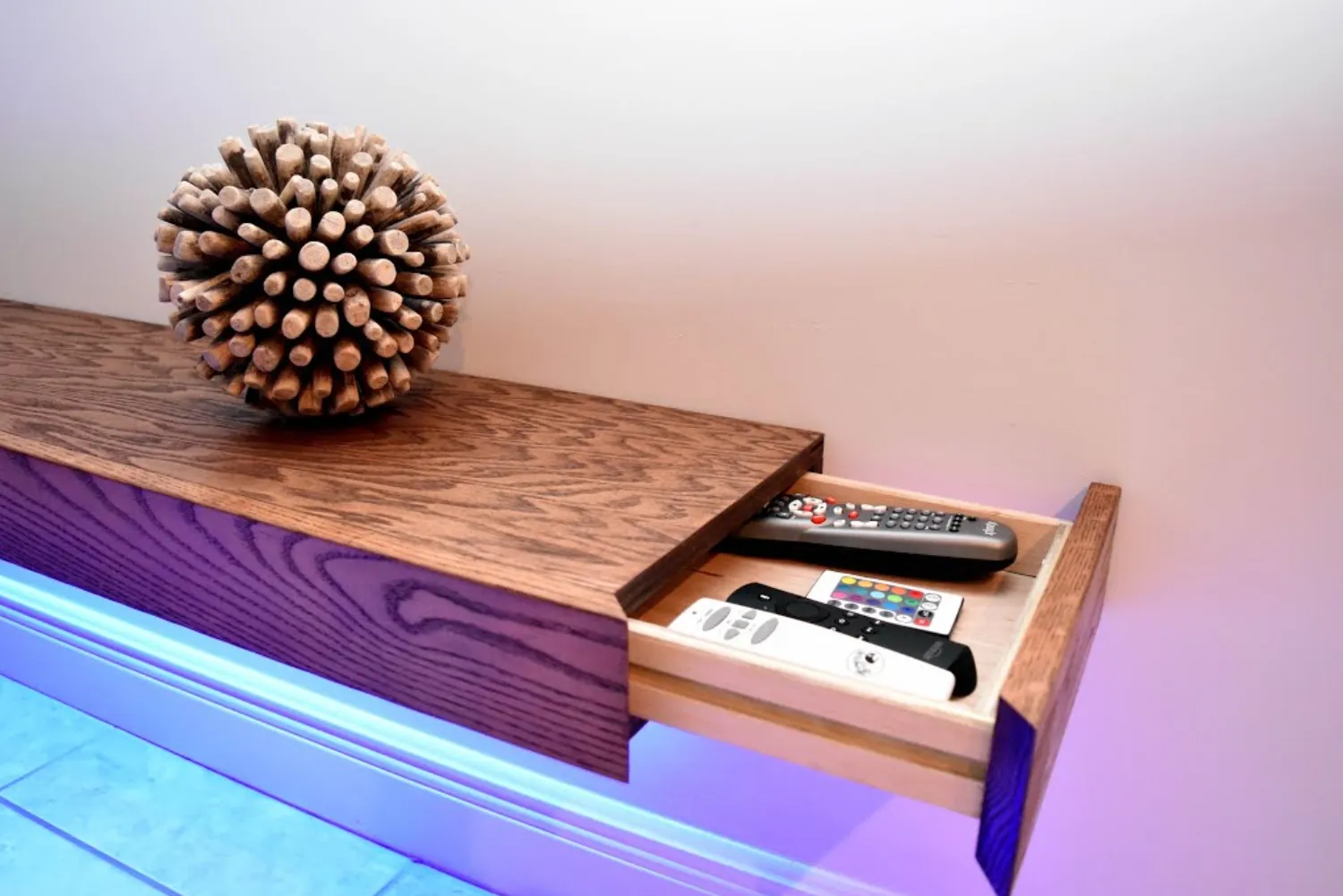
Floating shelves vanish visually, drawing the eye straight to the objects they display, yet they pack serious utility in a home where floor space is at a premium. Unlike traditional brackets, floating shelves use concealed internal rods or a cleat system to anchor securely to the wall, creating the illusion that the shelf hovers unsupported. This makes them ideal for displaying ceramics, books, or small potted succulents in hallways, above desks, or in awkward alcoves that otherwise gather dust. The project requires careful planning and accurate drilling, but a confident DIYer can install a set of three shelves in a weekend. Begin by deciding on the configuration: measure the wall space, consider the shelf depth relative to the items you will place, and use masking tape to map out the proposed positions on the wall. Stand back and assess the layout from different angles, adjusting until the spacing feels balanced both horizontally and vertically.
Advertisement
Material choice influences both aesthetics and load-bearing capacity. Prefabricated floating shelf kits from hardware stores often come with a metal bracket that bolts to the wall and a hollow shelf that slides over it. These are convenient and generally support up to 15 kilograms per shelf if fixed into studs. For a more custom look, solid timber slabs – Victorian ash, blackbutt, or reclaimed messmate – can be drilled to accept heavy-duty floating shelf rods. These rods, essentially steel pins up to 12 millimetres in diameter, are anchored into the wall studs and project outward into blind holes in the shelf, requiring precise drilling. Whichever system you choose, locating wall studs with an electronic stud finder is non-negotiable; mounting into plasterboard alone with toggle anchors might hold a few photos but risks catastrophic failure under the weight of books or heavy ceramics.
Marking and drilling are the most anxiety-inducing steps, but a methodical approach eliminates errors. Hold a piece of shelf material against the wall in the marked position and use a spirit level to draw a horizontal line that defines the top edge. For bracket systems, the manufacturer’s template is invaluable; tape it to the wall, align it with your reference line, and punch the screw points with a nail to guide the drill bit. Drill pilot holes with a timber bit slightly smaller than the screw shank if going into studs, or use a masonry bit with wall plugs if you must anchor into brick or concrete. When drilling into tiles, apply a strip of masking tape to prevent the bit from skating, and use a diamond-tipped tile bit without hammer action until you clear the tile layer. Insert the brackets or rods, checking for level at every step, and tighten all fixings firmly but without overdriving and stripping the stud.