
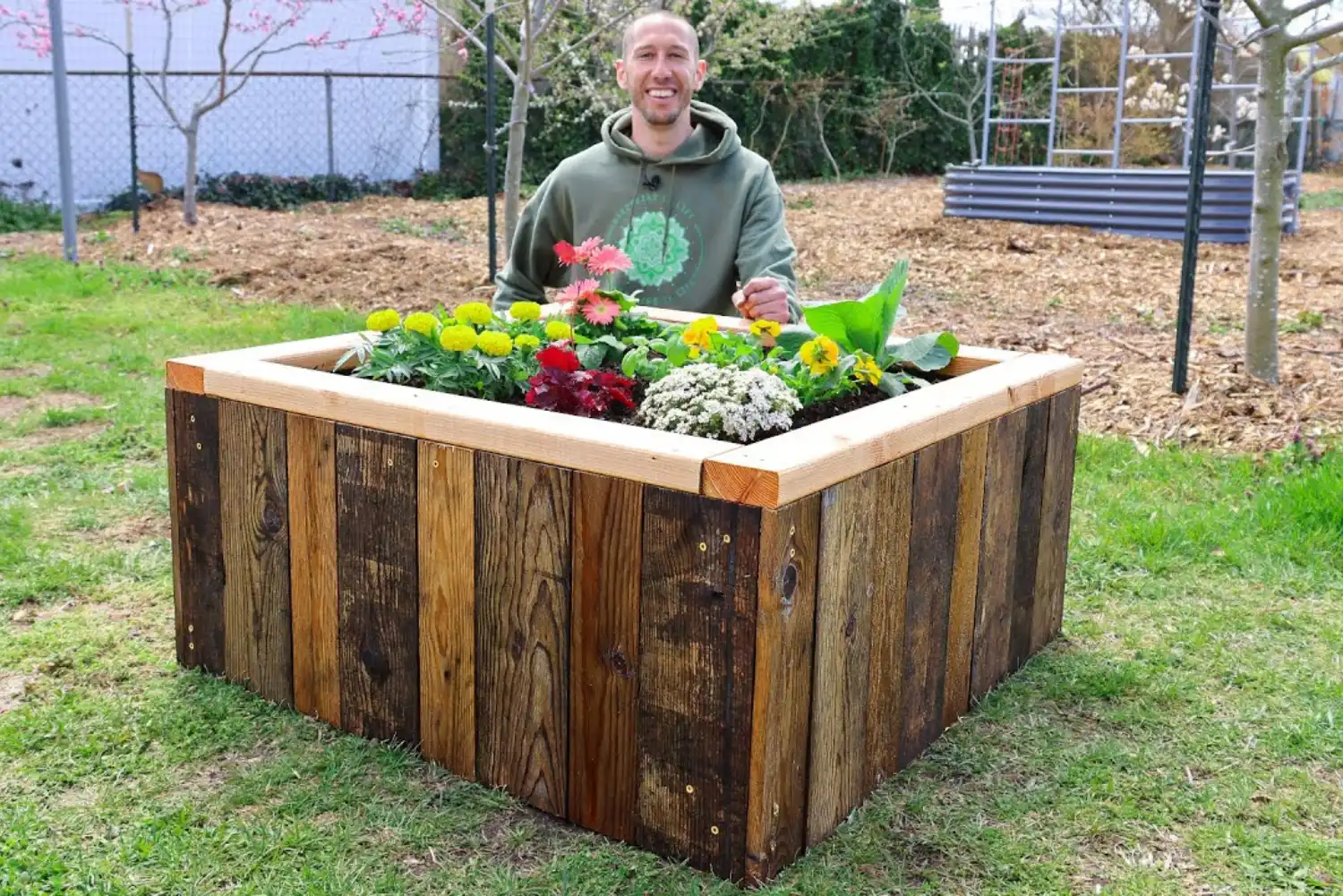
A raised garden bed lifts soil aboveground, easing strain on the back, improving drainage, and marking out a defined space that can transform even a patchy rental lawn into a productive veggie patch. Building one from recycled timber is both economical and aligned with Australia’s growing enthusiasm for resourceful, sustainable gardening. Begin by sourcing suitable wood; demolition yards, online marketplaces, and even kerbside finds can yield solid hardwood sleepers, old fence palings, or framing offcuts. Avoid timber treated with CCA (copper chrome arsenate) for beds that will grow edibles, as arsenic residues can leach into soil over time. Instead, look for untreated hardwoods like redgum or ironbark, which naturally resist rot, or use ACQ-treated pine, a safer modern treatment. Whatever you choose, plan for a bed no wider than 1.2 metres so you can reach the centre from both sides without stepping on the soil, and aim for a height of at least 30 centimetres for vegetables, deeper for root crops.
Advertisement
Construction begins with cutting the timber squarely to length using a circular saw or, for a quieter afternoon, a sharp handsaw with a mitre box. For a sturdy rectangular bed, you will need four corner posts – chunks of 75x75mm hardwood about 50 centimetres long – and horizontal boards to span the sides. A simple stacked design uses two or three rails per side, screwed directly into the corner posts. Predrill all screw holes with a countersink bit to prevent the timber from splitting, especially when working with dense, seasoned hardwood. External-grade batten screws, 75 to 100 millimetres long, hold everything together tightly. Assemble the frame upside down on a flat surface like a lawn or driveway, squaring the corners with a builder’s square and adjusting until both diagonal measurements match exactly. This ensures the bed will sit true when flipped over.
Site preparation is as important as the carpentry. Clear the intended patch of grass and weeds, then level the ground roughly using a shovel and a long spirit level. Worms and soil organisms will gradually move up into the raised bed, so there is no need to lay a solid weed mat that blocks this exchange. Instead, place a layer of unprinted cardboard or thick newspaper directly over the cleared soil to suppress grass and weeds. The cardboard will decompose within months, enriching the soil structure. Position the timber frame onto this base and tap the corner posts a few centimetres into the ground with a mallet; because it’s freestanding, the bed’s own weight and the filled soil will anchor it securely. For a steep site, consider terracing or digging the high side in slightly so the top edge remains level.