
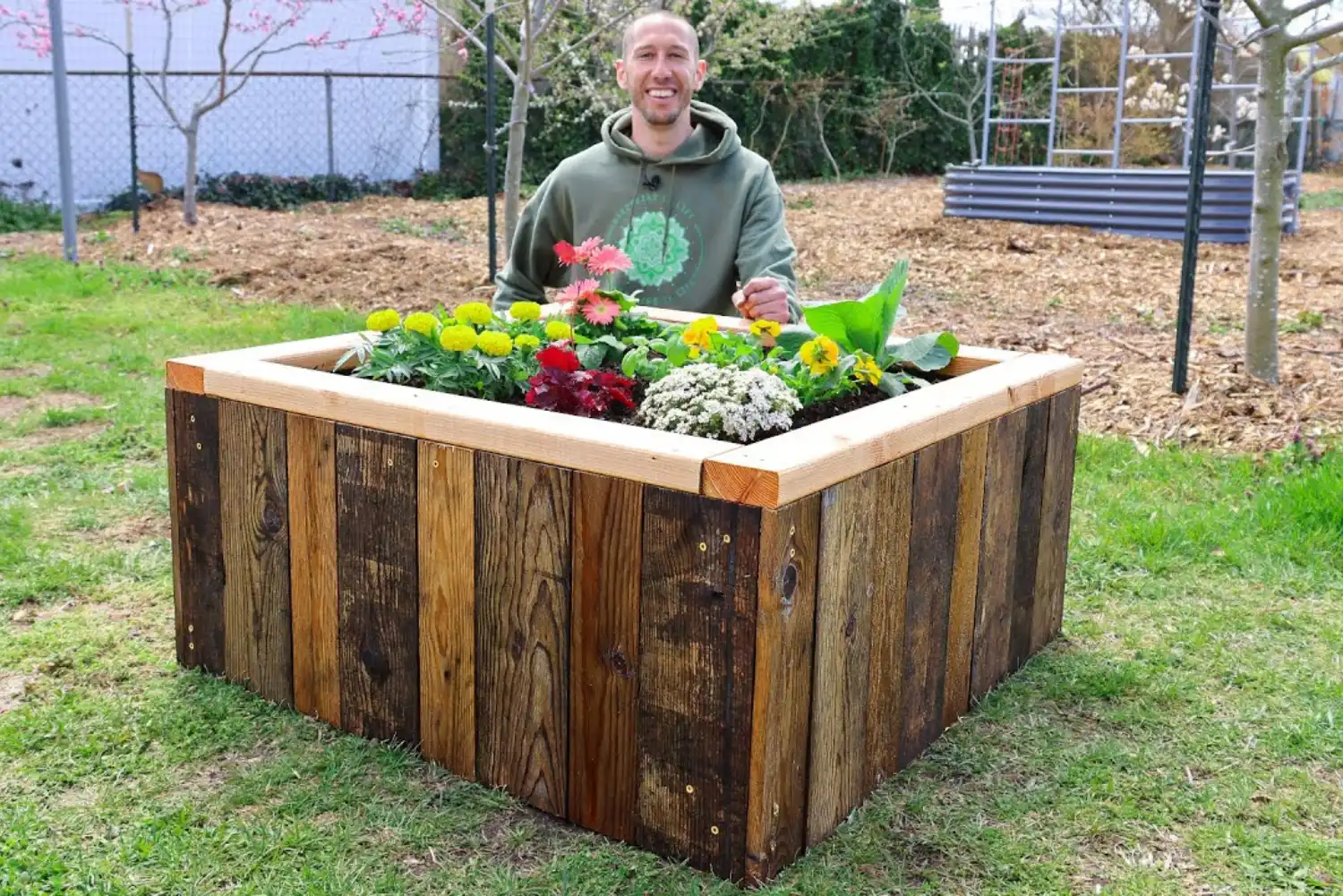
Filling the bed presents an opportunity to use the hugelkultur principle, which saves money on potting mix and improves moisture retention. Lay larger organic matter in the bottom third – old branches, prunings, fallen leaves, and even crumpled newspaper. Cover this with a layer of coarse green waste such as grass clippings or spent vegetable plants, then top with a mixture of compost and good-quality garden soil. This layered approach mimics a forest floor; as the wood breaks down, it releases nutrients slowly and acts as a sponge, reducing the frequency of watering during Australia’s hot summers. Finish with a thick layer of straw or sugar cane mulch to protect the soil surface from evaporation and to keep the roots of your seedlings cool.
Advertisement
Planting a raised bed is pure joy. Because you control the soil mix, you can grow carrots and parsnips that would struggle in clay, or create a dedicated herb bed right outside the kitchen. Rotate crops seasonally, following a simple leaf-fruit-root-legume cycle, and interplant flowers like marigolds and alyssum that attract predatory insects to keep pests in balance. Install a simple drip irrigation line fed from a tap timer to take the daily guesswork out of watering, especially useful when you go on holiday. A frame of poly pipe hoops draped with bird netting or shade cloth extends the growing period, protecting delicate seedlings from both voracious possums and the scorching January sun.
A raised timber bed settles into the garden as if it has always been there, the timber weathering to a silvery grey that complements any landscape style. Beyond the vegetables, it offers a daily ritual – a quiet morning stroll to check for new shoots, to pinch off a sucker, or to pull a weed. Building it yourself from recycled materials adds a layer of story and pride, and every meal harvested from those salvaged boards carries a quiet satisfaction that store-bought produce rarely matches. Over the years, as the timber gently returns to the earth, the bed becomes a living cycle of growth and decay, a small, tangible contribution to a more self-reliant home.