
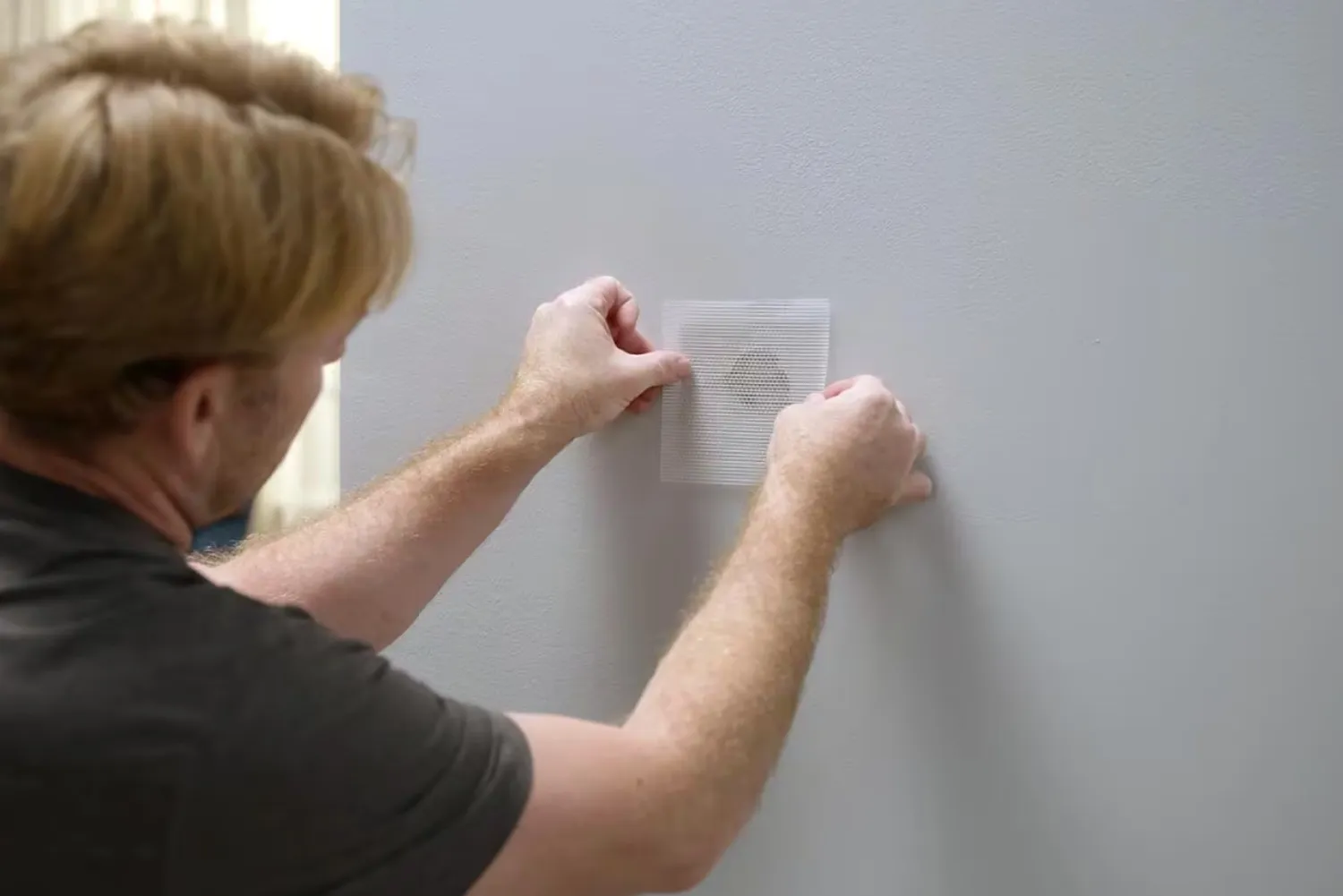
For larger holes, such as those left by a removed wall plate or a misguided water pipe repair, you need to insert a physical backing piece. Cut the damaged area into a neat square or rectangle with a jab saw, mindful of any electrical cables that might be running behind the wall. Procure a scrap piece of plasterboard or plywood slightly wider than the hole, insert it through the opening, and screw it into the surrounding intact plasterboard using drywall screws above and below the hole. This creates a solid backing. Cut a new plasterboard patch to fit snugly within the opening, screw it to the backing, and then tape the joints with paper tape bedded in joint compound. Paper tape, when embedded correctly, creates a stronger, more crack-resistant joint than mesh tape on these structural repairs. Apply the same sequence of feathered compound coats, extending the compound even wider – up to 300 millimetres – to disguise the patch completely.
Advertisement
Once the repair is sanded as smooth as glass, priming is a critical step that many DIYers skip. Unprimed joint compound absorbs paint differently from the surrounding wall, resulting in a visible “flashing” or dull patch, no matter how many topcoats you apply. Use an acrylic sealer undercoat and paint a generous square over the entire repaired area, feathering the edges with a dry brush or mini roller. After the primer dries, apply at least two coats of matching wall paint, blending outwards. If you have leftover paint from the original job, shake it well; if purchasing new, take a chip to the paint shop for colour-matching. Paint the whole wall if possible, as even a perfect match can show subtly under glancing light.
This skill saves hundreds of dollars over a lifetime of homeownership and empowers you to keep your walls looking pristine without waiting for a tradesperson. It teaches you to see imperfections not as permanent scars but as temporary conditions you have the ability to erase. Take your time, honour the drying and sanding steps, and you will find that a patch of fresh, smooth plasterboard becomes genuinely satisfying. The tools – a few knives, a sanding block, and a bag of compound – are inexpensive and store easily on a garage shelf, ready for the next mishap. With practice, a repair that once felt daunting becomes an easy afternoon’s work, freeing you to tackle the next home project with hard-won confidence.