
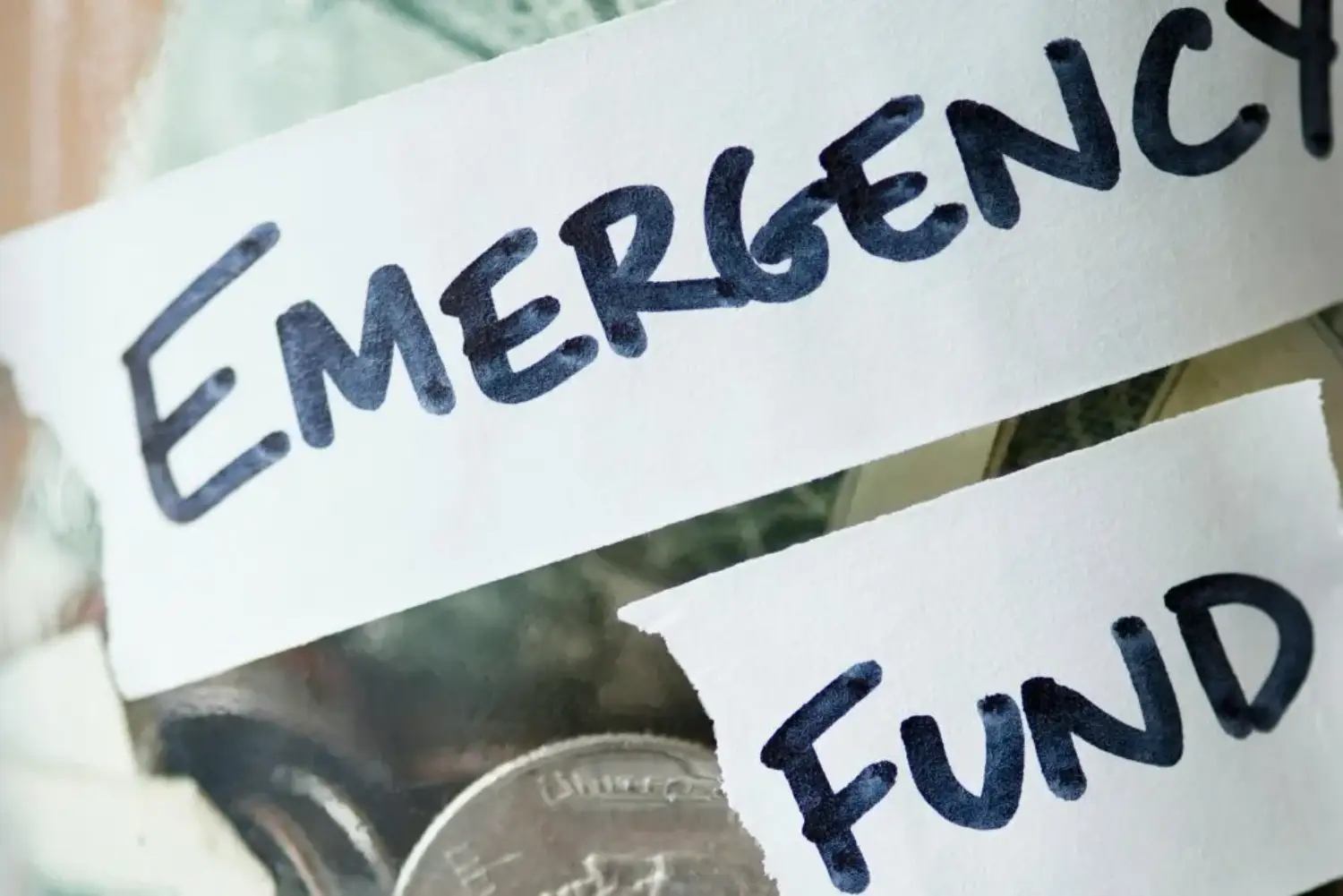
An emergency fund is a financial shock absorber, yet the idea of stashing away thousands of dollars while earning a modest income can feel impossible. The key is to start with a micro-goal that builds both momentum and belief. Instead of fixating on the widely recommended three to six months of living expenses, set a first target of just $1,000. This sum is enough to cover most unexpected car repairs, a dental visit, or a broken fridge without needing to borrow. Break that figure into tiny actions: $20 per week automatically transferred to a high-interest savings account that is not linked to your everyday card. Over a year, that alone accumulates to over $1,000. The psychological benefit of seeing a separate account grow is immense; it creates a mental shift from “I can’t save” to “I am a saver,” and that identity often fuels further progress.
Advertisement
Choosing the right home for your emergency money matters. Look for an online saver account with no fees, a competitive variable rate, and ideally a bonus interest structure that rewards you for making no withdrawals. Keep the account at a different bank from your day-to-day transaction accounts to introduce a gentle friction that discourages casual raids. When a genuine emergency strikes, you can transfer the money within a day or two, but the slight delay protects against impulsive spending. If you receive windfalls such as a tax refund, a bonus, or a birthday gift, allocate at least half toward this cushion before you think about spending it. It is far easier to accelerate savings with lump sums than to rely solely on weekly trimming.