
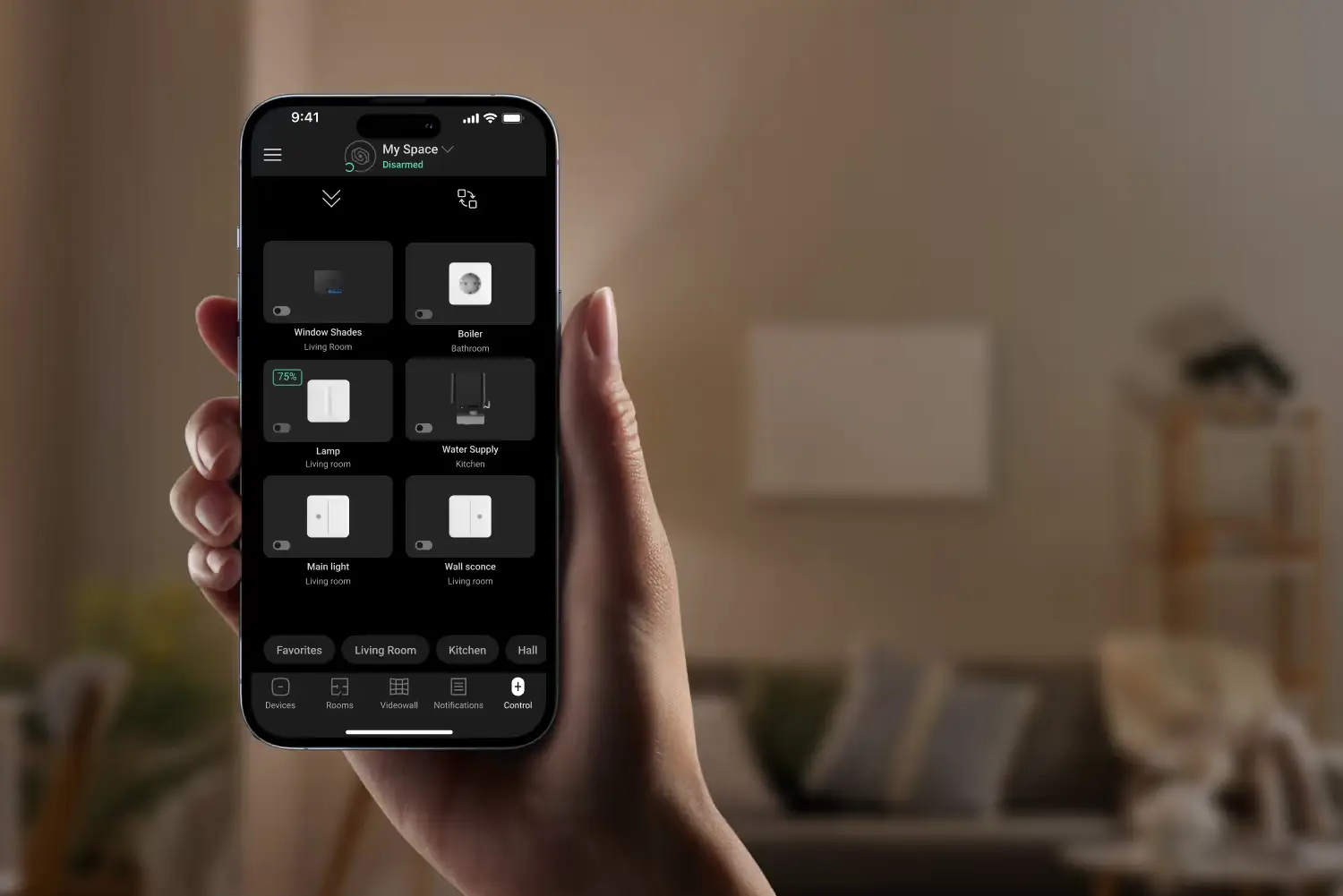
Home automation, once the preserve of luxury properties, now fits comfortably into Australian homes of all sizes, promising convenience, energy savings, and even enhanced security. At its heart, a smart home uses internet-connected devices that communicate with a central hub or your phone, allowing you to control lighting, climate, locks, cameras, and appliances remotely or via automated schedules. Before diving in, it helps to clarify your goals. Are you most interested in reducing electricity bills, simplifying daily routines, or monitoring an elderly relative? A clear purpose prevents the pile-up of gadgetry that ends up gathering dust. Start with one room or one function – perhaps a few smart lights in the living area – and expand only when the first instalment has genuinely improved your quality of life.
Advertisement
The choice of ecosystem shapes the long-term experience. The three major platforms are Amazon Alexa, Google Home, and Apple HomeKit, each with its own voice assistant and compatible device list. Many Australians choose the ecosystem that matches their existing phone or speaker, because integration tends to be smoother. Within that environment, a hub device – a smart speaker or display – acts as the conductor, receiving voice commands and triggering routines. A morning routine might gradually brighten bedroom lights, start the coffee machine, and read out the day’s weather and calendar. When selecting products, look for the “Works with Alexa,” “Works with Google,” or “HomeKit compatible” badge to avoid frustration. Some advanced users opt for an open-source platform like Home Assistant, which offers granular control but requires more technical comfort.
Lighting is the most popular entry point for good reason. Smart bulbs can shift from warm to cool white and dim on command, allowing you to set an evening relaxation scene with amber tones that support your natural sleep cycle. Motion sensors in hallways and bathrooms can turn lights on and off automatically, reducing electricity waste and eliminating fumbling for switches at night. Connected plugs turn standard lamps or fans into smart devices for a minimal outlay. Scheduling outdoor lights to come on at sunset and off at sunrise both deters intruders and mimics occupancy when you are away. These conveniences quickly become normalised, but the real delight often arrives when you adjust the lights from your phone after getting comfortable in bed, or link them to a movie-watching scene that dims the room with a single voice command.