
A modest income demands creativity in freeing up cash without sacrificing wellbeing. Examine your utility and subscription bills through a thrifty lens. Switching from a branded mobile plan to a smaller provider using the same network can save $20–$30 a month, which directly feeds your fund. Check if you are eligible for any government rebates on energy, rates, or healthcare; every dollar redirected to your safety net strengthens it. Cook double batches of meals, take a packed lunch, and embrace library borrowing instead of buying books or magazines. These habits aren’t about deprivation but about consciously choosing long-term security over fleeting conveniences, and they often align with simpler, more sustainable living.
Advertisement
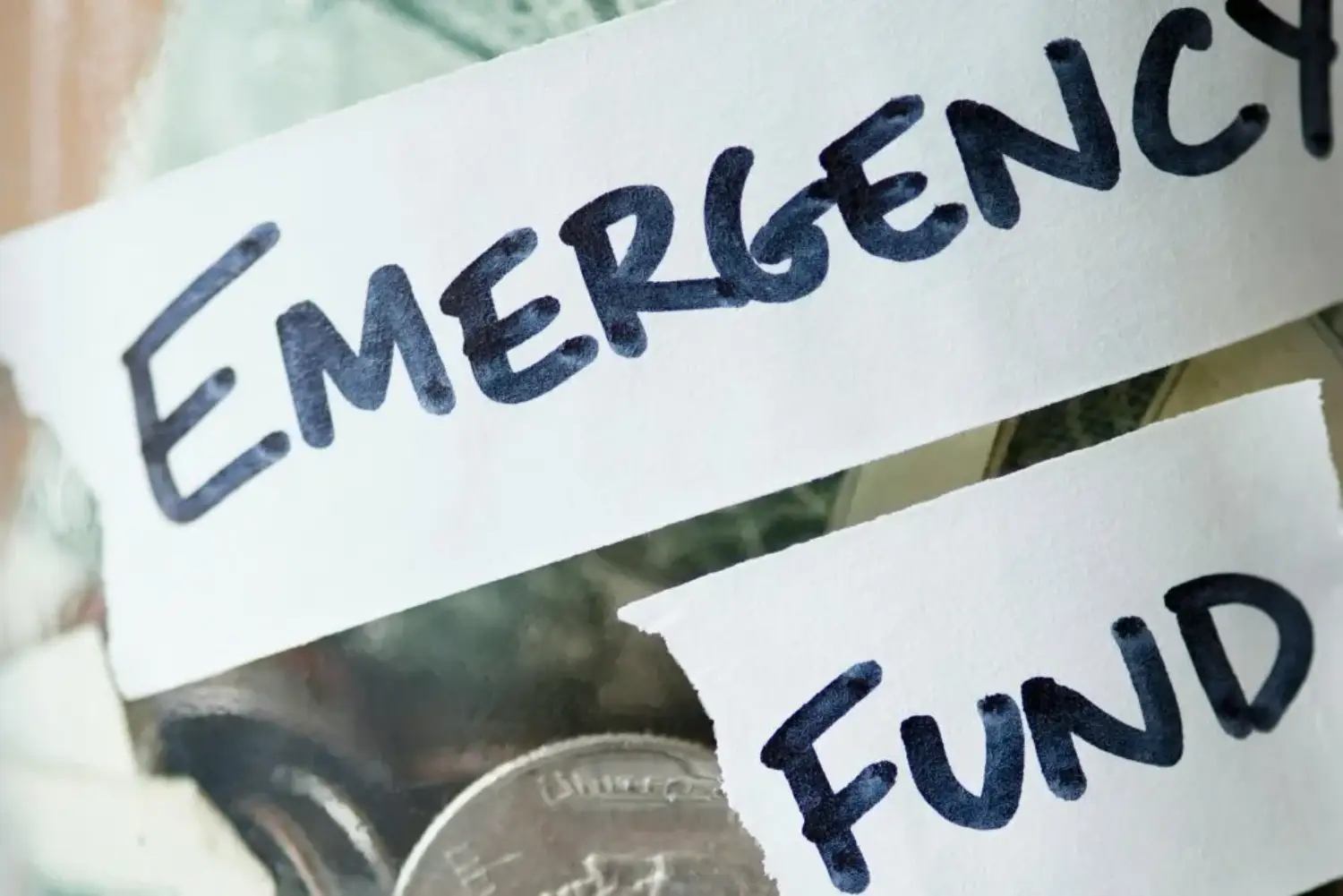
Protecting the fund’s purpose is just as important as building it. Define in advance what qualifies as a true emergency: essential and urgent expenses that cannot be postponed – a medical need, a broken hot water system, or an unavoidable trip to care for a family member. Planned costs like annual car registration, Christmas presents, or a holiday are not emergencies and should be saved for separately in a sinking fund. Writing this definition down and sharing it with your partner creates a powerful barrier against rationalising a withdrawal for a sale item or a weekend away. When you do need to dip into the fund, treat it as a loan to yourself and set a timeline to replenish the withdrawn amount, even if it’s just $10 a week until it is restored.
Income volatility can make saving feel erratic, so tie contributions to income rather than a fixed weekly amount. Decide on a percentage – perhaps 5 per cent – of every dollar that lands in your account. In a good week you save more; in a lean week the amount is smaller, but the habit remains unbroken. If you work multiple casual jobs or have a gig income, this percentage-based approach is especially forgiving and sustainable. Pair it with a simple spreadsheet or notebook where you record your growing balance. Visual progress, even in small increments, keeps motivation alive during the slow middle phase when the initial excitement fades.
As your fund nears the $2,000 mark, begin expanding the target toward one month’s essential expenses, then gradually toward three months. This extended cushion provides genuine peace of mind. You might choose to park a portion in an offset account if you have a mortgage, which reduces interest payable while keeping the money accessible. Celebrate each milestone quietly – a homemade cake, a nature walk – and remind yourself that this fund represents self-reliance and resilience. In a country prone to floods, bushfires, and economic shifts, having a liquid buffer is not a luxury; it is one of the most practical gifts you can give your future self, regardless of income level.