
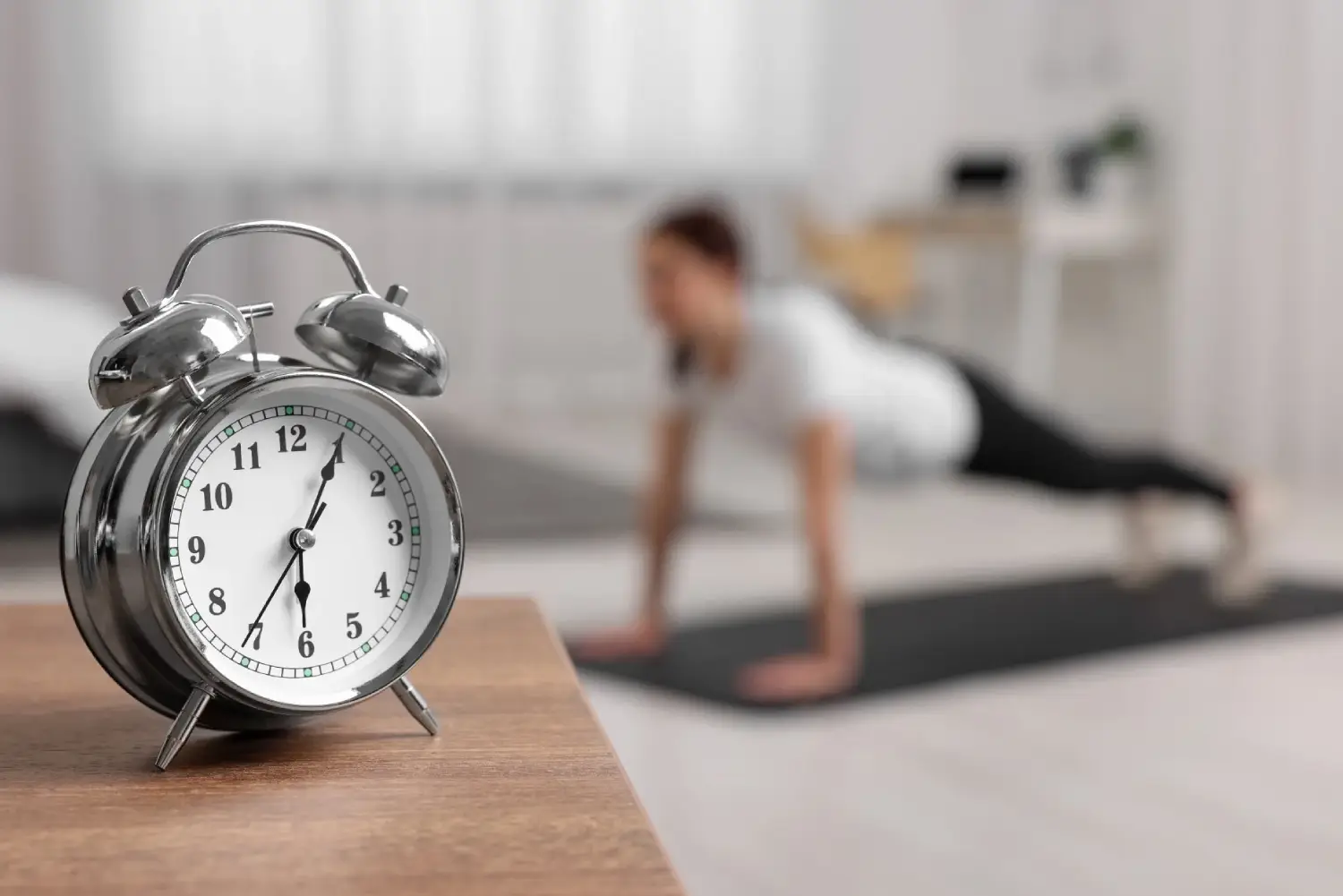
How you spend the first hour after waking sets a subtle but powerful tone for the entire day, yet many of us lurch into the morning with a jolt of adrenaline triggered by an alarm clock and an immediate dive into notifications. Crafting a morning routine that genuinely supports wellbeing does not require a 5am wake-up or a punishing exercise session. Instead, it starts the evening before with a consistent bedtime and a gentle wind-down that omits screens in the last thirty minutes. When the alarm sounds, try placing your phone or clock across the room, forcing you to stand up to silence it. This physical movement, even if small, helps shake off sleep inertia and reduces the temptation to scroll social media while still horizontal. Immediately drinking a glass of water at room temperature rehydrates the body after a night’s fast and gently kick-starts your metabolism without any need for dramatic concoctions.
Advertisement
Before the day’s demands pour in, claim a pocket of time for stillness. This could be five minutes of quiet sitting with eyes closed, focusing on the sensation of your breath entering and leaving your nostrils. If sitting still feels uncomfortable, a slow, mindful stretch routine or a few sun salutations can connect you to your body while calming the nervous system. The goal is not to empty the mind but to practise observing thoughts without immediately reacting to them. Many Australians report that this short buffer between waking and doing reduces reactivity, helping them respond to emails, traffic, or family chaos with more patience. Consistency matters more than duration; a daily five-minute pause rewires the brain’s stress pathways far more effectively than an occasional hour-long session.
Movement follows stillness, but the type and intensity should suit how you feel and what your body needs. On days when you are tired, a walk around the block in the early light does double duty by exposing your eyes to natural morning sun, which helps regulate your circadian rhythm and improve night-time sleep. On more energetic mornings, a twenty-minute bodyweight circuit, a swim at the local pool, or a cycle along a coastal path can flood your system with endorphins and sharpen focus for hours. The guiding principle is to ask, “What would make me feel strong and clear-headed?” rather than following a rigid program that treats exercise as punishment. This attitude shift from obligation to self-care makes it much easier to sustain throughout the seasons of life.