
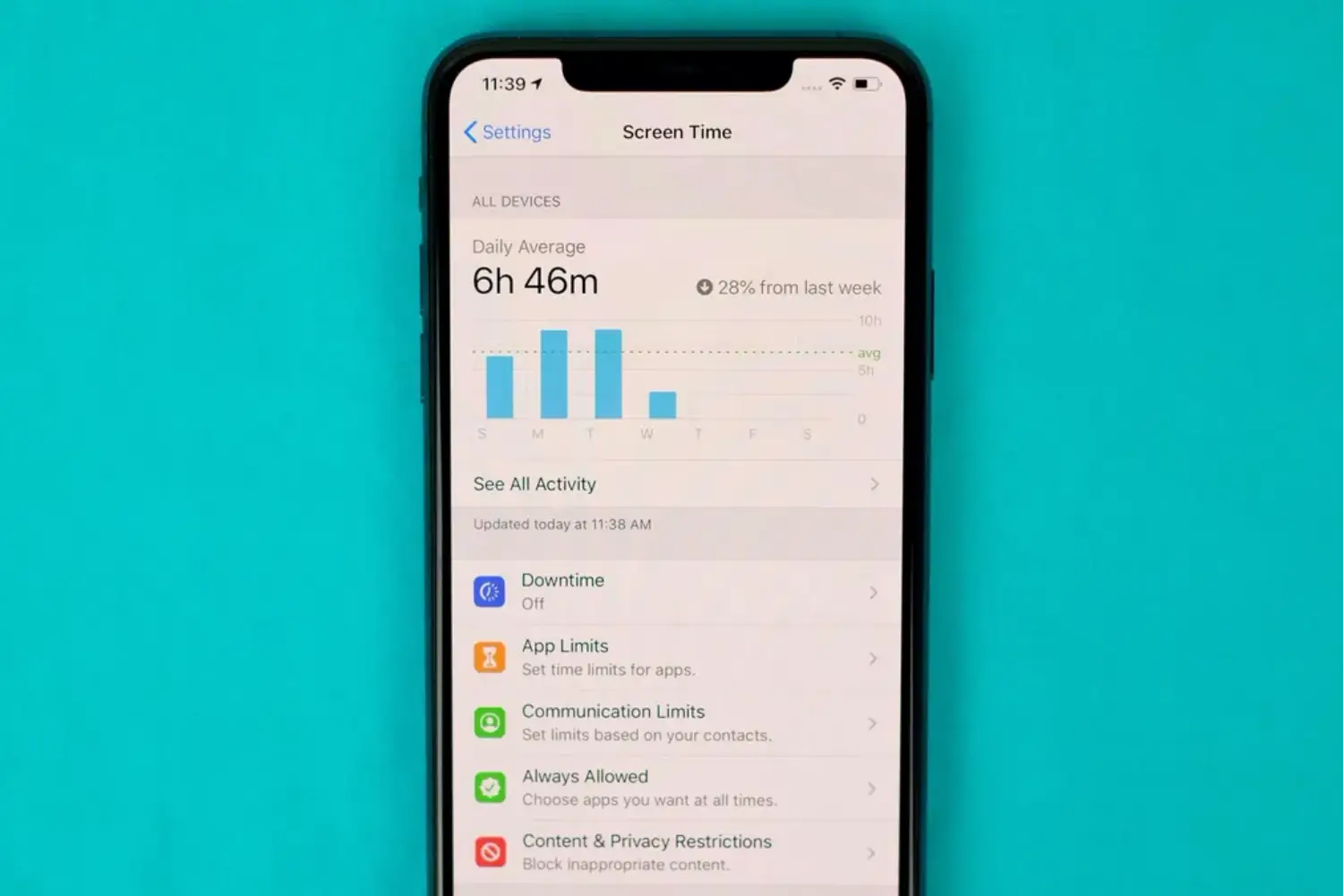
Our devices are designed to capture attention, and the sheer volume of information they serve can fragment concentration and disturb rest in ways we rarely notice until we disconnect. The first step toward a healthier relationship with screens is a self-audit. Most smartphones now include screen-time tracking that reveals exactly how many hours you spend on each app and how often you pick up the device. For a week, simply observe the data without judgement, noting the emotional states that trigger heavy usage – loneliness, boredom, procrastination, or simply habit during television ads. This detached awareness often acts as a gentle shock, because the cumulative hours devoted to short-form videos and endless scrolling frequently surpass our own estimates. Seeing the numbers can motivate change without external pressure.
Advertisement
Establishing clear boundaries around the most damaging periods of screen use pays immediate dividends. The hour before bed is critical, as blue-spectrum light suppresses melatonin production and tricks the brain into alertness even when the body is exhausted. Switch your phone to “do not disturb” or airplane mode by 9pm and charge it in another room, using a dedicated alarm clock if necessary. Replace the pre-sleep scroll with a ritual that signals the day is complete: a warm shower, reading a physical book under soft lamp light, or listening to a calm podcast or music. Within a few nights, many people find they fall asleep more quickly and wake feeling more restored. If you must use a device, enable the built-in night shift or blue light filter, and keep it on a dim setting far from your face.
During working hours, grouping digital tasks into focused blocks can reclaim profound stretches of concentration. Try designating three thirty-minute sessions in the morning for email, messaging, and admin, leaving the remainder of your peak cognitive time for deep work. Close unnecessary browser tabs and turn off non-essential notifications for social media, news, and apps. Each notification is an interruption that can derail your train of thought for up to twenty minutes while your brain recovers. Using website blockers or focus apps like Freedom can provide a hard barrier when willpower alone is wobbly. Reward yourself with a short screen break after a sustained focus period – but make that break a stretch or a gaze out the window rather than another screen.