
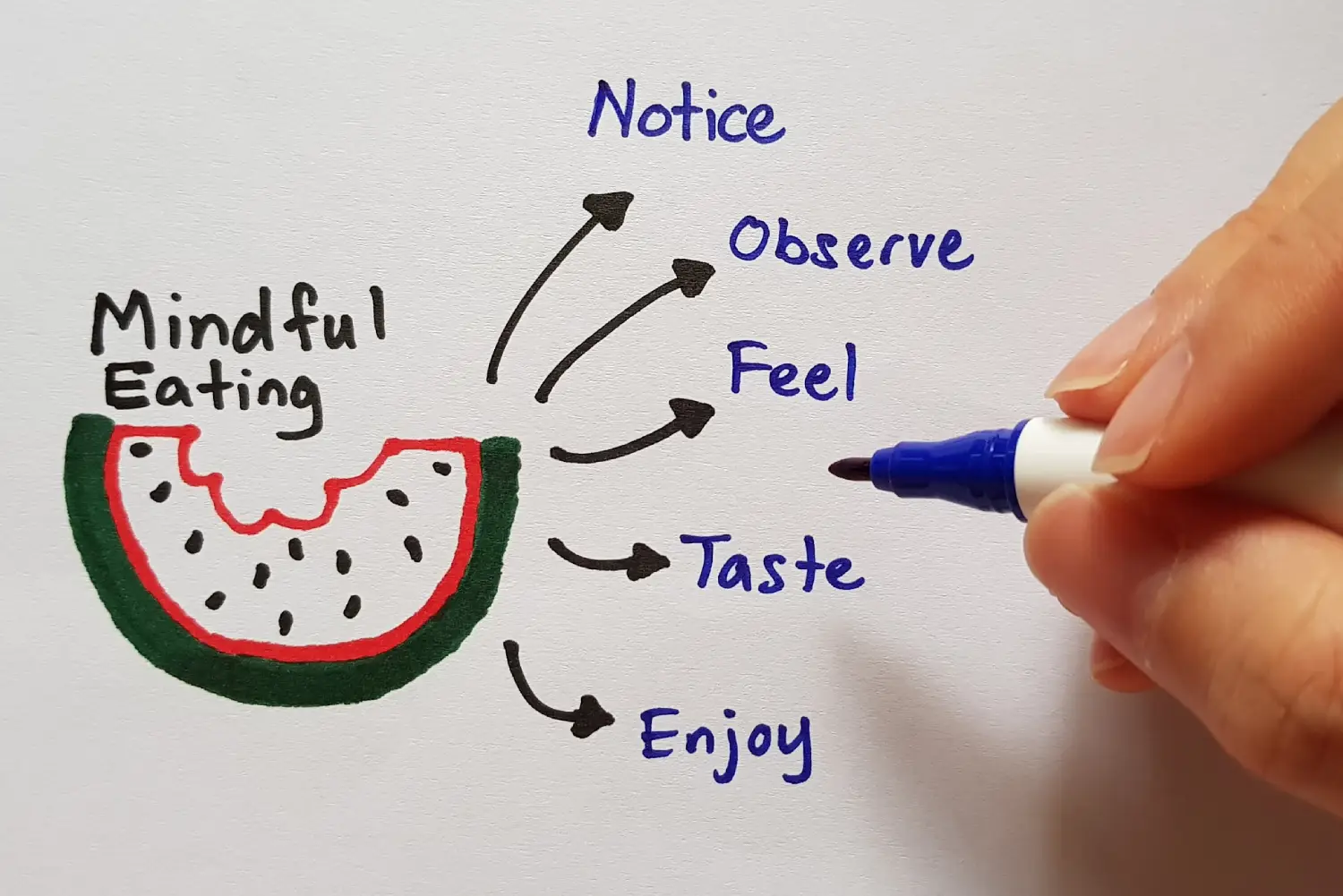
Mindful eating invites us to slow down and become fully present with our meals, moving away from autopilot consumption that so often leads to bloating, guilt, and erratic energy levels. The practice begins well before the first mouthful, with the simple act of noticing hunger signals. Many of us eat because the clock says it is lunchtime, because we are bored, stressed, or simply because food is within reach. Pausing for thirty seconds to place a hand on your belly and ask, “Am I physically hungry right now?” can separate biological need from emotional impulse. This gentle inquiry doesn’t forbid eating in the absence of hunger; it merely inserts a moment of choice, allowing you to decide whether a juicy apple or a short walk might actually satisfy the underlying feeling. Over weeks, this check-in becomes instinctive and reduces the frequency of eating that leaves you feeling heavy and regretful.
Advertisement
Once you decide to eat, the environment you create strongly influences how much and how fast you consume. Step away from screens, whether that means closing your laptop, putting your phone face-down, or switching off the television. Research on distraction and satiety suggests that eating while watching a show can lead to consuming significantly more food later because the brain doesn’t fully register the meal. Set a modest table even if you are alone – a placemat, a real plate, and a glass of water. Taking three deep breaths before your first bite signals the body to shift into a rest-and-digest state. This ritual doesn’t demand extra time; it simply assigns full attention to the act of nourishment, transforming a rushed handful of biscuits into an intentional, satisfying pause.
Engaging your senses deepens the experience and naturally slows your pace. Notice the colours on your plate, the aroma of the ingredients, the texture as you chew. Put your fork down between mouthfuls and aim to chew each bite thoroughly, perhaps fifteen to twenty times, until the food is almost liquid. Not only does this aid digestion, but it also gives the body’s satiety hormones time to signal the brain that you’ve had enough. Many people discover that the flavours become more intense when eating slowly, and they feel satisfied with a smaller portion because they have truly tasted every mouthful. This sensory focus can turn a simple salad of rocket, pear, and walnuts into a rich tapestry of peppery, sweet, and crunchy contrasts.