
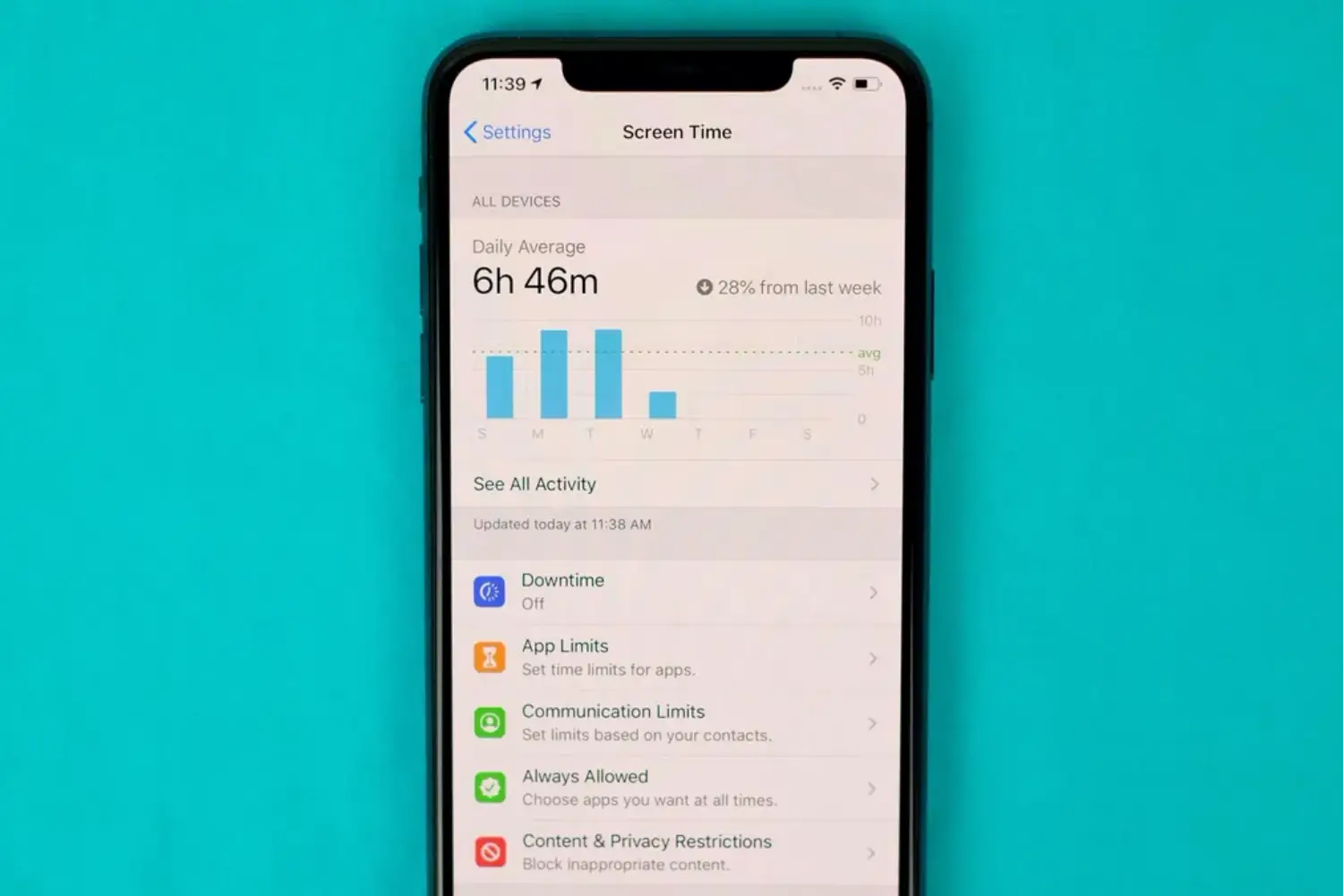
Creating physical distance from your phone is one of the simplest and most effective strategies. During meals, leave the device in a drawer or a basket at the entryway, designating the table as a tech-free zone. When going for a walk, try leaving the phone at home or, if safety requires it, keep it in a bag and use only for emergencies, not for capturing photos or checking messages. The initial discomfort of being unoccupied passes quickly, replaced by noticing birdsong, the play of light on buildings, and your own thoughts. These micro-disconnections rebuild your capacity for boredom, which is ironically the birthplace of creativity and reflection. Over time, the compulsion to check your phone fades, and you begin to use it as a tool rather than a master.
Advertisement
Replacing screen-heavy leisure with tactile, restorative activities fills the void that appears when we cut back. Rediscover analogue hobbies – sketching, gardening, baking bread, playing a musical instrument, or engaging in board games with family. These activities engage the hands and the brain in different modes, offering satisfaction that passive scrolling rarely delivers. On weekends, plan a half-day outing to a national park, beach, or gallery, deliberately leaving devices locked in the boot or at home. The sensory richness of the real world – the smell of eucalypts after rain, the texture of sand, the hush of a cathedral – anchors you in the present and dilutes the digital pull. Notice afterwards how your mind feels clearer and less cluttered.
The goal is not a Luddite rejection of technology but a deliberate, mindful curation of its place. Devices are magnificent servants but poor masters. By auditing habits, protecting sleep, batching digital tasks, creating physical separation, and cultivating screen-free pleasures, you can break the cycle of constant partial attention. Many who undertake this recalibration report sharper focus at work, deeper connections with loved ones, and a surprising sense of spaciousness in their days. When you do pick up the phone, it can be with intention – to video-call a relative, learn a skill, or capture a fleeting moment – rather than to kill time. In an Australian culture that prizes outdoor living and face-to-face community, aligning screen use with those values feels both natural and profoundly liberating.