
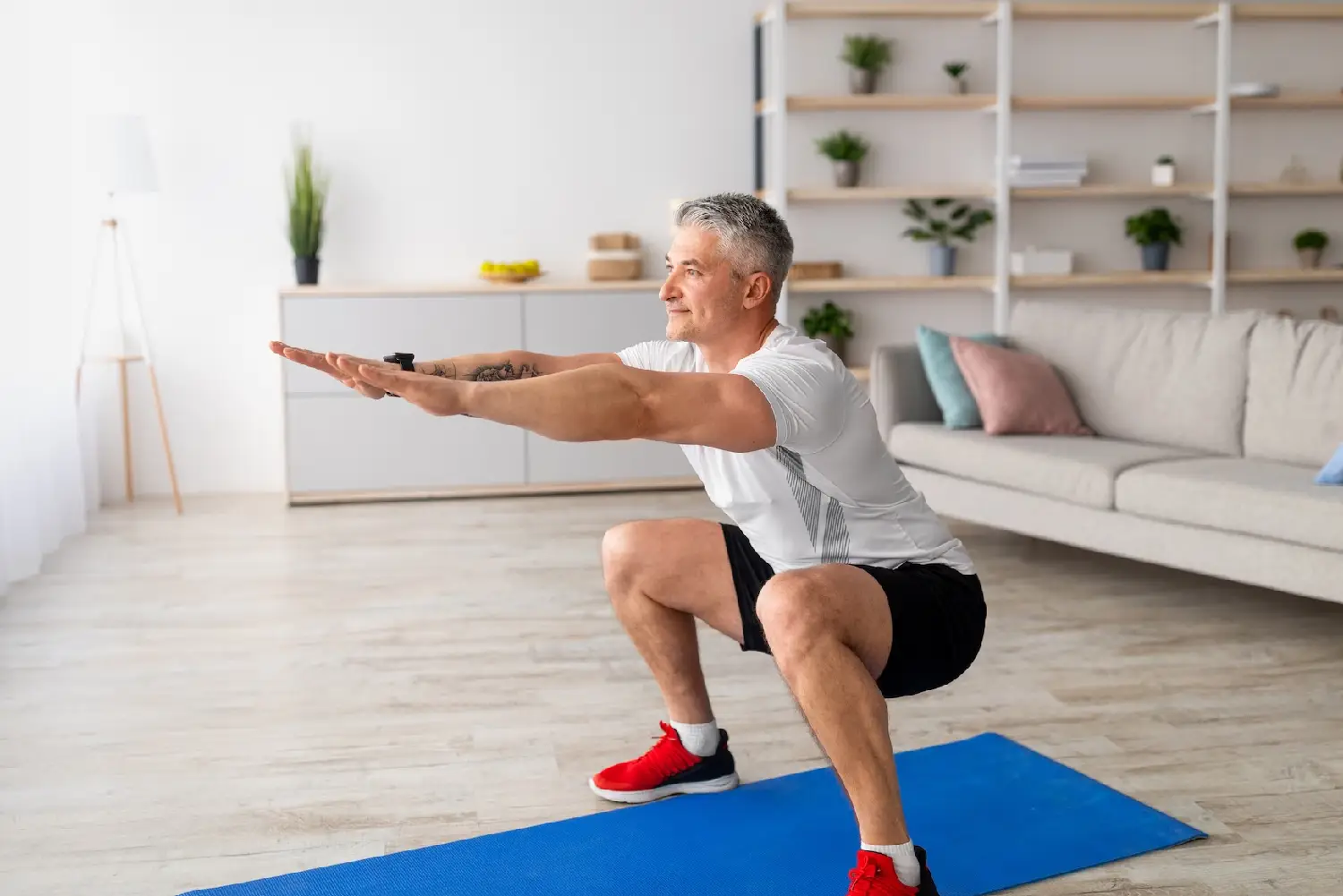
Consistency trumps intensity. It is more beneficial to perform a twenty-minute session four times a week than to attempt an exhausting two-hour session once a fortnight. Link the workout to an existing habit – after your morning coffee, before the evening shower, or during a lunch break – so that it becomes a non-negotiable part of the rhythm. Use a simple notebook or app to log exercises, repetitions, and how you felt. This record not only tracks progress but serves as a source of motivation when you see tangible improvements, such as holding a plank for an extra ten seconds or completing a full push-up from the toes for the first time. Rest days are equally crucial; muscles rebuild and strengthen during recovery, so schedule at least one or two rest days per week and embrace active recovery like a gentle walk or stretching.
Advertisement
Breathing is an underrated component of strength work. Exhale on the exertion phase – when you push away from the floor, stand up from a squat, or lift your hips – and inhale on the return. Holding your breath can spike blood pressure and create unnecessary tension, while a steady breathing rhythm delivers oxygen to working muscles and helps preserve energy. Pairing movement with breath also anchors the mind, transforming a set of squats into a moving meditation. If your mind wanders to your to-do list, gently guide it back to the sensation of your feet pressing into the floor and your breath flowing. This mind-muscle connection not only improves safety but often enhances the quality and effectiveness of each repetition.
Home-based strength training nurtures more than physical capacity. As you notice daily tasks becoming easier – carrying groceries, playing with children, working in the garden – a quiet confidence grows. The routine adapts to your life stage, whether you are a busy parent snatching fifteen minutes while the baby naps or a retiree aiming to maintain independence. It costs little, requires no commute, and can be done in any weather. By prioritising form, progressing sensibly, and weaving movement into the fabric of your day, you create a resilient body that supports an active, engaged Australian lifestyle well into the later decades.